1959 · Album
Jazz Moods: Cool
Recorded 1958-1959 · Columbia Records · Produced by Irving Townsend

Brubeck's Restless Quest for Quieter Ground
Cool Jazz Moods catches Brubeck exploring restraint—a pianist learning when not to play.
By the time Dave Brubeck made Jazz Moods: Cool (1959), he'd already proven himself a restless experimenter. He wasn't content being the clever pianist who could handle complex time signatures. This album finds him deliberately pulling back, working smaller and tighter, almost as if he'd gotten tired of his own virtuosity. The result is something genuinely different from what he'd established with his quartet—less about show, more about listening to what actually needs to be said in a room.
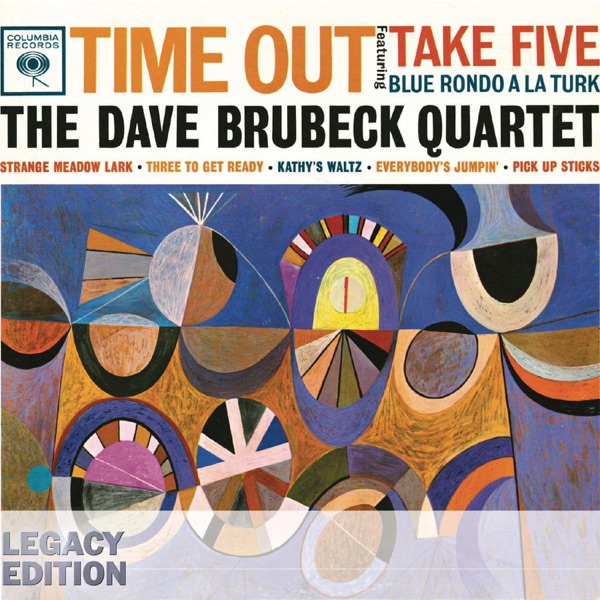
What makes this stand out is the restraint. These tracks breathe. Brubeck's touch is lighter here, his comping more sparse. He's not filling every gap with runs or clever voicings. The tunes themselves tend toward the melancholic and introspective rather than the bright, appealing standards he'd made famous. The cool in the title isn't about style so much as temperature—these are performances that deliberately avoid heat. It's worth noting this isn't his most celebrated work, and honestly, some listeners will find it quieter and less immediately engaging than Time Out (1959), which came out the same year and became his masterpiece. But that quietness is exactly the point here.
If you're already deep into Brubeck's catalogue and appreciate his willingness to follow whatever interest seized him, this album shows real artistic courage. He was successful enough to do whatever he wanted, and what he wanted here was less flash and more substance. It's not essential listening if you're new to him—start with Time Out instead. But for anyone curious about how a major artist could resist his own formula and choose difficulty instead, Jazz Moods rewards careful attention.
Who's playing
Eugene Wrightdouble bass
Norman Batesbass
Bob Batesdouble bass
Dave Brubeckpiano
Paul Desmondalto saxophone
Joe Morellodrums
Joe Dodgedrums
Where next?
More by Dave Brubeck
All 14 albums →


The musicians on this record
Their own records, close in time


