1964 · Album
Jazz Impressions Of New York
Recorded 1964 · Columbia Records · Produced by Teo Macero

Dave Brubeck Listens to the City
Brubeck captures New York not as spectacle but as lived experience, neighborhood by neighborhood.
Dave Brubeck made Jazz Impressions of New York (1964) at a moment when he'd already proven himself plenty—he had hits, he had a devoted following, he could fill concert halls. So instead of repeating what worked, he decided to write a whole album about specific places in New York City. Not the clichéd skyline stuff, but actual neighborhoods and moments. Each track is a short piece, almost like a sketchbook, and that format lets him try things without overthinking them. The album finds him working in a smaller, more intimate space than some of his bigger ensemble work, which means every idea reads clearly. You hear exactly what he's thinking.
The pieces work because they're rooted in real observation. "Times Square" doesn't try to sound glamorous—it sounds crowded and a little chaotic, which is more honest. "Central Park" isn't the romantic thing you'd expect; it's quieter, stranger. Some of these sketches are just a few minutes long, and they feel complete even in their brevity. This is Brubeck uninterested in proving anything, just writing what the city sounds like to him. The piano playing has a cleaner, more direct quality than his busier work—less ornamentation, more purpose. He's not showing off, and that restraint is actually what makes the album memorable.
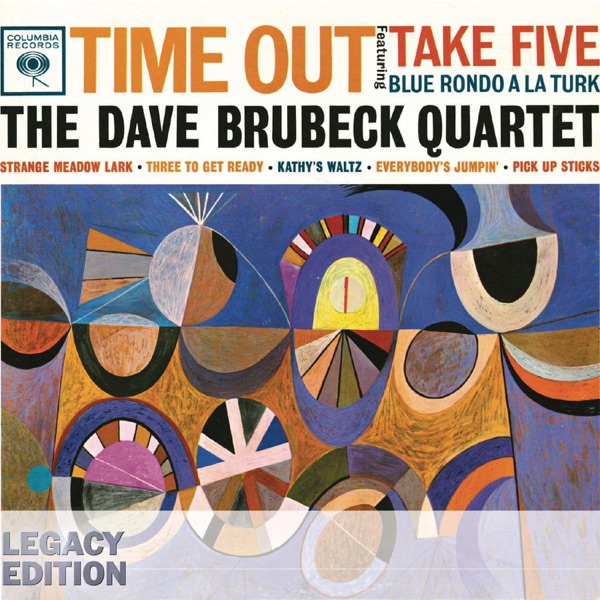
It's not a peak Brubeck moment in the way Time Out (1959) defined an era or gave him enormous commercial reach. But it's a different kind of success—a solid, intelligent album made by an artist secure enough to take a left turn. If you want the essential Brubeck, Time Out is the place to start. If you already know that record and you're curious what he did next, Jazz Impressions of New York shows him comfortable enough to be more curious than certain.
Who's playing
Where next?
More by Dave Brubeck
All 14 albums →


The musicians on this record
Their own records, close in time


