1961 · Album
Coltrane Jazz
Recorded December 2, 1958 · Atlantic Records · Produced by Nesuhi Ertegun

A Saxophonist Finding His Voice
Coltrane plays with a restless intensity here, searching rather than settling into easy answers.
When John Coltrane recorded Coltrane Jazz (1959), he was still figuring out who he was as a bandleader. He'd left Miles Davis's group and the security that came with it, and now he was out front with his own records, trying to stake out territory. This album catches him in that exploratory moment—not quite the sheets-of-sound experimenter he'd become, but already impatient with the standards and show tunes that had defined his earlier work.
What makes this record distinctive is how restless it feels. Coltrane plays tenor saxophone with a searching quality, pushing into the upper register, bending notes in ways that sound almost angry. The rhythm section of Red Garland on piano, Paul Chambers on bass, and Art Taylor on drums keeps things grounded and swinging, which actually highlights how much Coltrane wants to break free. Tracks like "Satellite" and "Like Sonny" show a musician testing boundaries, not playing it safe. Even the ballads have an edge—he's not prettifying them, just inhabiting them with real tension.
This isn't his masterpiece, and it's not the best place to start if you're new to Coltrane. You're better off beginning with Giant Steps (1960), which came right after and captures him with more confidence and a clearer vision. But Coltrane Jazz is valuable precisely because it documents someone in the middle of a transformation, still hungry, still figuring things out. If you want to hear a great musician at a crossroads, playing hard and refusing easy answers, this is it.
Who's playing
Paul Chambersdouble bass
Steve Davisdouble bass
Wynton Kellypiano
McCoy Tynerpiano
John Coltranetenor saxophone
Jimmy Cobbdrums
Elvin Jonesdrums
Where next?
More by John Coltrane
All 19 albums →


The musicians on this record

Nights of Ballads & Blues 1963
McCoy Tyner
plays piano here
plays piano here

Kelly Blue 1959
Wynton Kelly
plays piano here
plays piano here
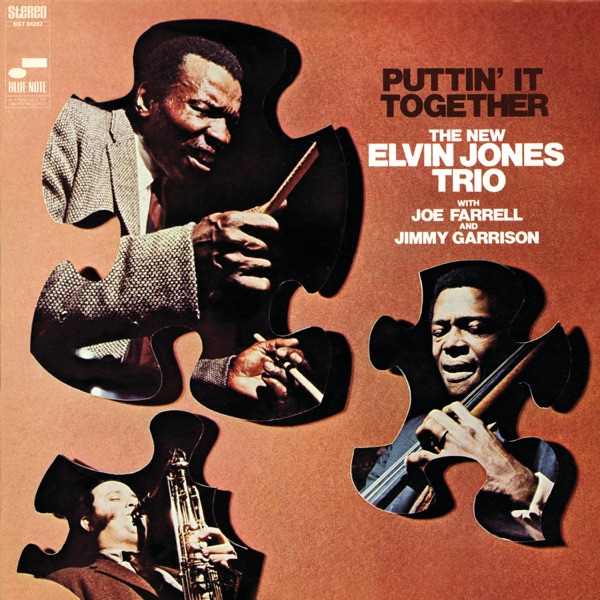
Puttin' It Together 1959
Elvin Jones
plays drums (drum set) here
plays drums (drum set) here