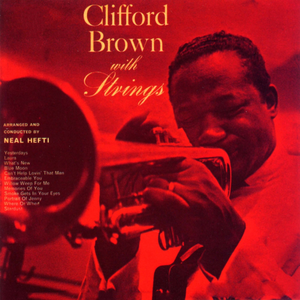
1951 · Album
All the Things You Are
Recorded 1951 · Verve Records · Produced by Norman Granz

Bird's Masterclass in Melodic Reinvention
Parker takes one of jazz's most enduring standards and makes it sound like he invented it yesterday.
By the time Charlie Parker recorded All the Things You Are (1951), he'd already proven himself as one of jazz's most inventive voices. This session shows him at a point where his facility on the alto saxophone was so complete that he could reshape a well-known Jerome Kern composition into something that sounds entirely new. The standard becomes a vehicle for Parker to demonstrate what bebop was really about—not just speed, though there's plenty of that, but a complete rethinking of how melody and harmony fit together.
What makes this recording distinct is Parker's refusal to play it safe with a tune everyone knew. Rather than settling into a comfortable interpretation, he seems to be in conversation with the song itself, pulling it apart and reassembling it phrase by phrase. His lines don't follow the obvious melodic paths; instead, they dart around the changes, finding angles most players wouldn't even look for. The rhythm section locks in tight, providing the kind of support that lets Parker take risks without the whole thing falling apart.
This isn't Parker's most celebrated work—that conversation belongs to his earlier sides—but it's worth hearing if you want to understand what made him matter. If you're just getting into Parker, start with some of his more explosive early recordings, but come back to this one once you've got your bearings. It's the kind of record that rewards careful listening, especially if you know the tune going in. Hearing how he reimagines something so familiar is instructive in the best way.