The Melody Man Who Swung
If you only know Michel Legrand from movie soundtracks, you're not wrong to start there, but you're missing half the story. Yes, he wrote the music for The Umbrellas of Cherbourg (1964) and gave the world "The Windmills of Your Mind" and "What Are You Doing the Rest of Your Life." But before any of that, he was a Paris Conservatoire kid who fell hard for American jazz, and he never really stopped being that kid, even when he was accepting Oscars.
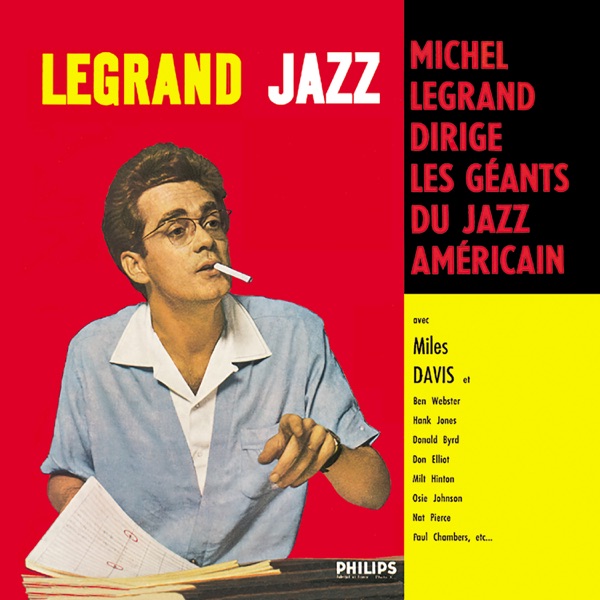
The record that proves it is Legrand Jazz (1958), a wild, ambitious studio project where he got Miles Davis, John Coltrane, Bill Evans, and a rotating cast of American heavyweights into the studio to play his arrangements. It's not a jazz album in the casual blowing-session sense — Legrand wrote everything out, voiced the horns like a film composer, and treated standards like "Rosetta" and "Jitterbug Waltz" as material to be reshaped rather than just covered. The result sounds like someone who understood bebop's language but wanted to dress it in better clothes.
What made Legrand different from other European jazz musicians of his generation was that he never treated jazz and film music as separate jobs requiring separate brains. His scores for Jacques Demy's films are basically jazz harmony smuggled into cinema — lush, chromatic, full of the same chord movement you'd hear from a sophisticated trio date, just dressed up with strings and sung in French. And when he sat down at a piano for a straight jazz date, as he did plenty through the sixties and beyond, you could hear the film composer's ear for melody shaping every solo.
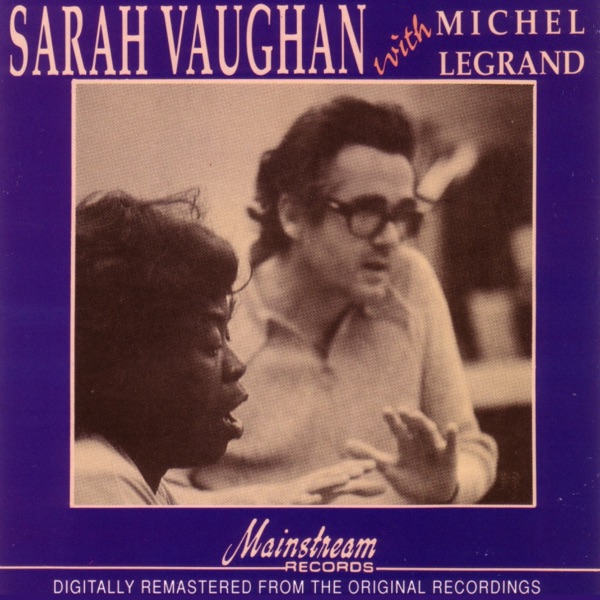
He worked with singers constantly — Sarah Vaughan, Lena Horne, Ella Fitzgerald — because his songs gave vocalists something real to chew on, not just pretty chord changes. That's probably his most underrated skill: writing melodies that sound effortless but are actually loaded with harmonic turns most pop composers would never attempt. Put on Legrand Jazz (1958) next to one of his film scores back to back and you'll hear the same mind working in two different rooms.
Legrand never fit neatly into jazz history books because he was too busy succeeding at other things — film composing, orchestral conducting, pop songwriting — to be claimed entirely by any one camp. That's fine. He didn't need the jazz world's approval. He just happened to be a genuinely excellent pianist and arranger who used jazz as one tool among several, and used it better than most people who called it their only job.