The Architect of Dense Silence
Matthew Shipp doesn't sound like a guy who's trying to impress you. He sounds like a guy working something out, in real time, with his whole body. His playing is dense — thick clusters of notes stacked on top of each other, long silences that feel loaded, sudden stretches of something close to stride piano before it collapses back into abstraction. If you've heard Cecil Taylor or Thelonious Monk and wondered what a direct descendant of both might sound like filtered through someone born in the 1960s instead of decades earlier, that's roughly where Shipp lives.
He grew up in Wilmington, Delaware, and moved to New York in the early '80s, which is where the real story starts. He became a key member of saxophonist David S. Ware's quartet, a group that also featured bassist William Parker, and that band became one of the defining units of New York free jazz for over a decade. Records like Go See the World (1998) show Shipp as a player who could hold down massive, architectural chords underneath Ware's saxophone without ever disappearing into the background. He wasn't a sideman in the traditional sense — he was a second engine.
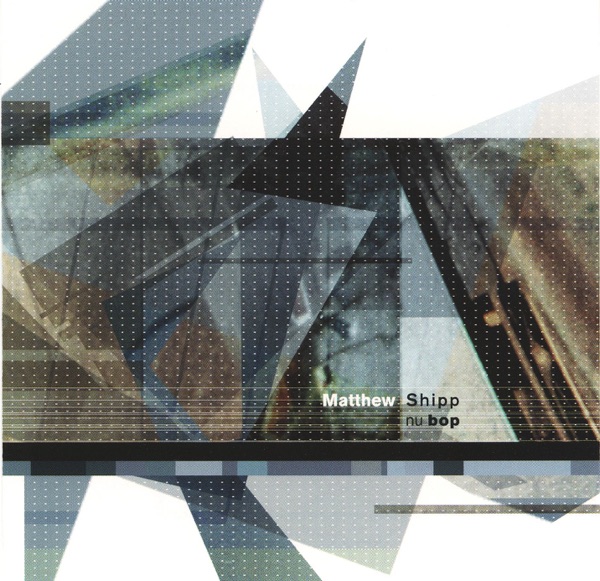
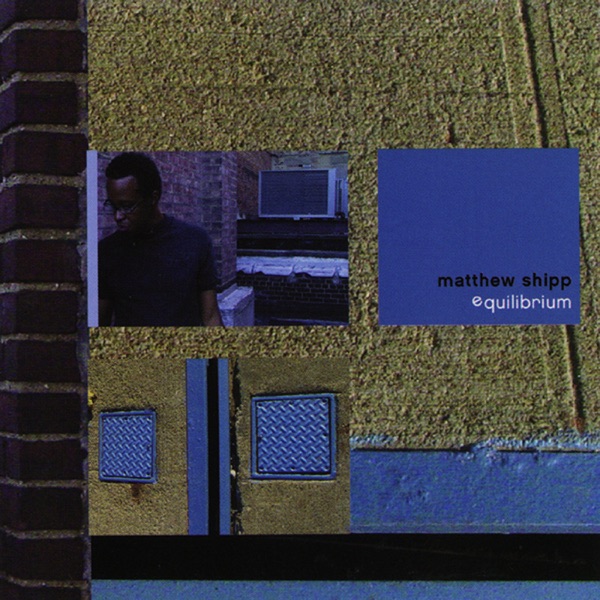
In the 2000s Shipp started running the Blue Series for Thirsty Ear, and that's where things got interesting for listeners who weren't already free jazz die-hards. He brought in electronic producers, hip-hop-adjacent rhythm sections, turntablists — anything that might push his piano into unfamiliar territory. Nu Bop (2002) and Equilibrium (2003) are the records people point to from that era, and they still sound strange in a good way, like someone trying to find out if free jazz piano and programmed beats could actually talk to each other.
What makes Shipp worth your time isn't novelty, though. It's that he's one of the few pianists from that generation who kept refining a genuinely personal vocabulary instead of settling into a style and repeating it. His solo records — and there are a lot of them — strip everything away and just leave you with his hands and his sense of space. Some of it is harsh. Some of it is almost tender, in a way that catches you off guard after ten minutes of dissonance.
Shipp is still out there playing, still recording constantly, still difficult to pin down. He's not an easy entry point into jazz, and he'd probably be annoyed if you tried to make him one. But if you already know your Cecil Taylor from your Andrew Hill and you're looking for where that lineage went next, Shipp is one of the clearest answers.