Swing With a Wink
Billy May grew up playing trumpet in dance bands around Pittsburgh and landed in New York just as the swing era was hitting its peak. He got his first serious break writing arrangements for Glenn Miller's orchestra in the late 1930s, and even then you could hear something distinctive — a slightly exaggerated, almost comedic quality in the brass writing that set his charts apart from the more restrained arrangers of the day. He wasn't trying to be tasteful. He was trying to make people move, and maybe laugh a little too.
His time with Charlie Barnet's band in the early 1940s gave him more room to experiment. Barnet's orchestra was louder and wilder than Miller's, and May leaned into that. The slurring saxophones — where the whole section would glide between notes in a kind of exaggerated portamento — became his calling card. It sounds almost goofy the first time you hear it, and then you realize how much craft goes into making something sound that effortlessly loose. That's the trick May pulled off better than almost anyone.
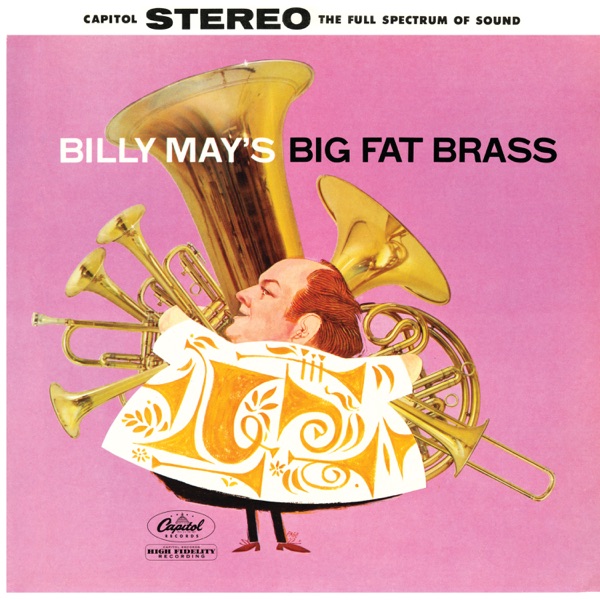
The Capitol Records years in the 1950s are where most people encounter May's work today, whether they know it or not. He led his own orchestra and made a string of albums that were aimed squarely at the living room listener — people who wanted big band swing without the formality. Sorta-May (1954) is a good place to start: it's punchy, funny, and completely unpretentious. Around the same time, he was doing some of his most consequential work as an arranger for Frank Sinatra, including Come Fly with Me (1958), where his charts gave Sinatra's voice room to swagger without stepping on it.
May never positioned himself as an artist with a capital A. He was a craftsman who took commercial work seriously, and there's a lot to admire in that. His arrangements for Sinatra had real architecture — you can hear him thinking about dynamics and shape, not just filling out the sound. And his own band recordings have an energy that a lot of jazzier, more serious big band dates don't have. Sometimes the guy who's trying to make you smile is doing more interesting things than the guy trying to make you think.
By the 1960s and beyond, May kept working as an arranger for films and television, which suited him. He had always been a practical musician — someone who figured out what a situation needed and delivered it. His reputation among arrangers and musicians was high, even if he didn't have the critical cachet of someone like Nelson Riddle. If you want to understand how American popular music and jazz overlapped so naturally in the postwar decades, May's catalog is a pretty honest document of exactly that moment.