The Voice That Wouldn't Settle
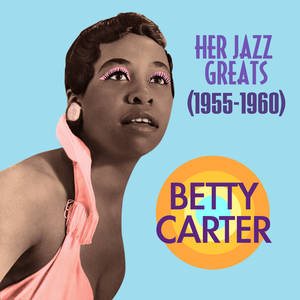
Betty Carter's career is a masterclass in doing things your own way. While other female jazz singers in the 1940s and 1950s were chasing radio hits and mainstream appeal, Carter kept pushing deeper into the music itself. She started in bebop and never looked back, but what really made her different was that she wouldn't nail down her arrangements. Every night was new. She treated a standard like an instrumentalist would—not as a song to sing, but as a set of chords to explore.
What made Carter special was how she understood harmony. She could reharmonize a melody while she was singing it, following wherever the pianist went, bending notes around unexpected chord changes. When she scatted, it wasn't showing off—it was actually talking to the band. She'd listen to what the drummer or piano player was doing and answer back with her own take on the tune. The whole group would get better just from playing with her.
As a bandleader, Carter was just as serious about the work. She hired young musicians who went on to become major figures—John Coltrane, Wynton Marsalis, and plenty of others—and she taught them to really listen. She paid them properly, held them to high standards, and let them take risks. She even started her own label, Bet-Car Records, so she could release her music exactly how she wanted it, without producers or record company people telling her what to do.
Late in her life, the jazz world finally caught up with her. She got a Grammy Lifetime Achievement Award in 1998, the year she died. But that wasn't really her achievement. What mattered was showing that you could stay completely honest about your music and still have a real career. She proved that uncompromising excellence could work if you found the listeners who wanted to hear what you were actually doing.