1955 · Album
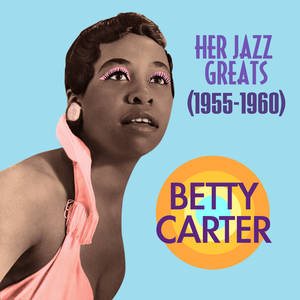
Her Jazz Greats (1955-1960)
Recorded 1955-1960 · Epic Records · Produced by Not specified in original release
Betty Carter Finding Her Voice in Real Time
Carter strips away the arrangements and lets her voice lead the conversation with the band.
By the mid-to-late 1950s, Betty Carter had spent years singing in other people's bands, learning the trade, and getting frustrated with material that didn't suit her. Her Jazz Greats captures something essential: a singer finally taking command of her own sound. These sessions show Carter at a turning point, no longer content to be the featured vocalist in someone else's vision. She's experimenting, pushing tempos around, interrupting herself mid-phrase, treating her voice like an instrument that can do more than deliver a pretty melody.
What makes this collection matter is how direct and unpolished it feels compared to the slicker vocal jazz of the era. Carter strips away the arrangements and lets her voice lead the conversation with the band. She wasn't the most technically perfect singer, and she didn't try to be—that was partly her power. She bent notes, she syncopated her phrasing in ways that made you listen twice, and she clearly didn't care if every phrase landed exactly on the beat. The material ranges across standards and less obvious choices, and what ties it together is Carter's refusal to sing any song the expected way.
This isn't her absolute peak—that would come later in her career when she had even more freedom and confidence. But Her Jazz Greats matters because it documents the moment when Betty Carter stopped being a very good singer doing what was asked of her and started being Betty Carter. If you want to understand why she became so influential to singers who came after, this is where you hear her working it out in real time. It's essential listening for anyone serious about vocal jazz, though it rewards patience more than immediate pleasure.
Who's playing
Wendell Marshalldouble bass
John "Peck" Morrisondouble bass
Sam Jonesdouble bass
Ray Bryantpiano
Wynton Kellypiano
Benny Golsontenor saxophone
Gigi Grycealto saxophone
Jimmy Powellalto saxophone
Sahib Shihabbaritone saxophone
Ray Copelandtrumpet
Kenny Dorhamtrumpet
Melba Listontrombone
Jerome Richardsonflute
Philly Joe Jonesdrums
Charles “Specs” Wrightdrums
Where next?
More by Betty Carter

Meet Betty Carter And Ray Bryant 1956

'Round Midnight 1963

Inside Betty Carter 1964

The Modern Sound Of Betty Carter 1960
The musicians on this record

Dizzy Atmosphere 1957
Wynton Kelly
plays piano here
plays piano here

Afro-Cuban 1955
Kenny Dorham
plays trumpet here
plays trumpet here

Kenny Drew Trio 1957
Philly Joe Jones
plays drums (drum set) here
plays drums (drum set) here

Ray Bryant Plays 1960
Ray Bryant
plays piano here
plays piano here