1965 · Album
Unity
Recorded 1966 · Blue Note · Produced by Not specified in provided sources

Young's Peak: Unity as Career Apex
Unity captures Larry Young at his creative height, surrounded by musicians who matched his vision entirely.
By 1966, Larry Young had already established himself as a force on the Hammond B-3 organ, but Unity stands as his finest moment on record. This was his second album for Blue Note, and it arrived at a point where Young had the confidence and the platform to assemble exactly the musicians he wanted. Woody Shaw on trumpet, Joe Henderson on tenor saxophone, and Elvin Jones on drums—each brought their own strong personality to the session, yet Young's choice of title says everything about what happened: everyone arrived in the same mood, and everything fit. The music never ventures into free jazz territory, but it doesn't need to. There's enough experimentation here to feel alive and searching without losing the melodic and harmonic grounding that made hard bop matter in the first place.
What makes Unity work is how much space Young leaves for himself and his bandmates. The organ sits squarely in the center of the sound, not hidden behind the horns or pushed to the background. Young's playing is direct and soulful—he's not showing off technique for its own sake, but he's clearly in command. Jones drives everything forward with the kind of drumming that makes you sit up and listen, while Shaw and Henderson trade solos that feel earned rather than obligatory. The interplay between all four players creates real conversation, which is exactly what the title promises.
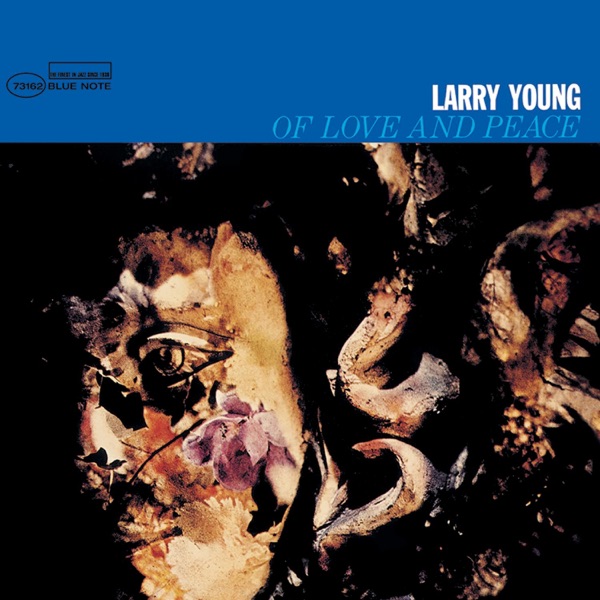
Critical response was strong from the start. Scott Yanow called it Young's finest recording, while the Penguin Guide to Jazz gave it a rare four-star rating and described it as a masterpiece. The album's cover art by Reid Miles—spare and striking—is widely regarded as one of the iconic images from Blue Note's catalog. If you're coming to Young's music for the first time, this is the place to start. It's also a legitimate peak in his discography, the moment when everything aligned.
Who's playing
Where next?
More by Larry Young
All 13 albums →


The musicians on this record
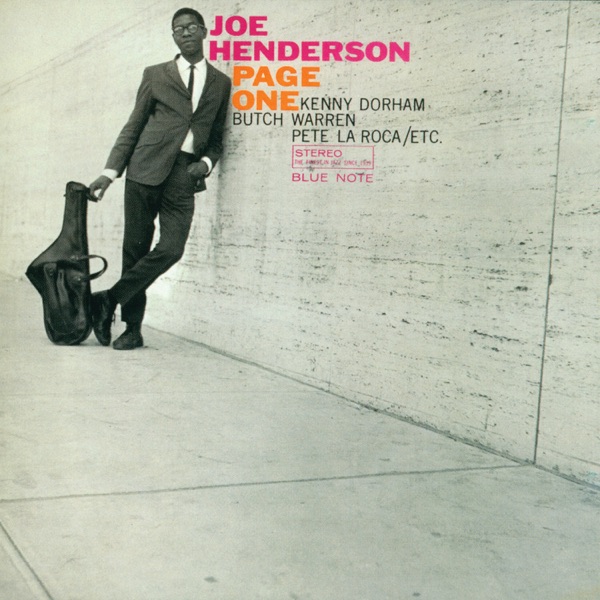
Page One 1963
Joe Henderson
plays tenor saxophone here
plays tenor saxophone here
♫
In the Beginning 1965
Woody Shaw
plays trumpet here
plays trumpet here

Dear John C. 1965
Elvin Jones
plays drums (drum set) here
plays drums (drum set) here