Young's Spiritual Turning Point in 1966
A pianist and organist finding his voice through soul and searching, not showmanship.
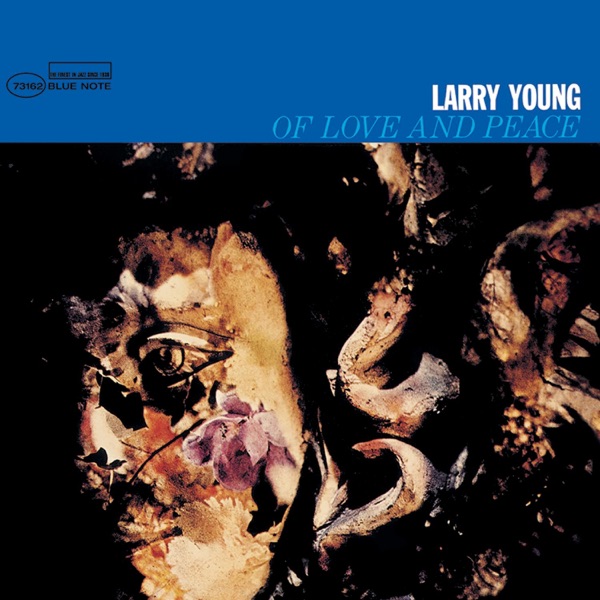
By 1966, Larry Young was already an accomplished organist with several recordings behind him, but Of Love and Peace marks the moment he stopped playing the instrument as a vehicle for virtuosity and started using it to say something personal. Recorded that year and released by Blue Note in 1967, the album finds Young in a reflective, almost spiritual headspace—less interested in the flashy runs that could define a Hammond B-3 player and more focused on touch, space, and the weight of silence between notes.
The music here breathes differently than typical organ jazz of the period. Young approaches his instrument with the restraint of someone who has learned that power doesn't require speed, and the sessions capture a player thinking about soul in the deepest sense. This isn't background music for cocktails; it's music for listening, for sitting with. The album arrived at a moment when jazz organists were still working out what the Hammond could express beyond groove and funk, and Young's contribution was to suggest that the organ could be contemplative, even vulnerable.
Of Love and Peace didn't become his most famous work, but it's the album that shows why serious musicians cared about what he was doing. It's a solid entry point into his catalog, and for listeners curious about the spiritual side of 1960s jazz organ, it matters more than the flashier records that came before or after.
Who's playing
James Spauldingalto saxophone
Herbert Morgantenor saxophone
Eddie Galetrumpet
Larry Youngorgan
Wilson Moorman IIIdrums
Jerry Thomasdrums