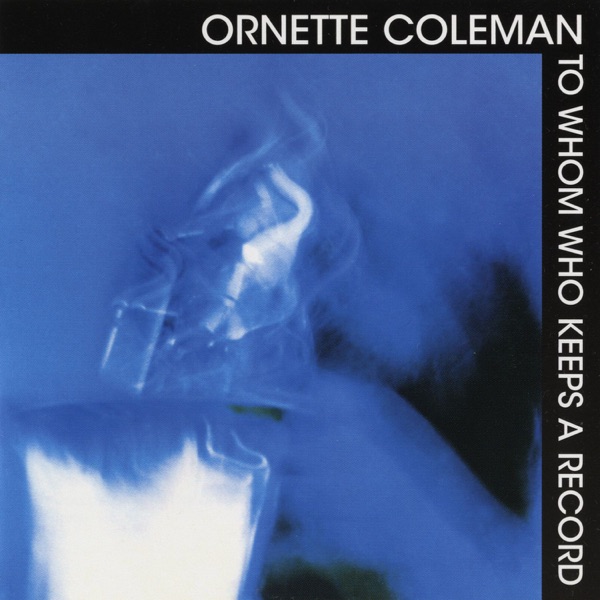
Outtakes That Refused to Stay Hidden
Discarded studio outtakes from 1959 and 1960 that still sound startlingly fresh.
When this collection appeared in late 1975, it arrived as an odd piece of Ornette Coleman's catalog. Warner Pioneer in Japan put it out, assembled by producer İlhan Mimaroğlu without Coleman's involvement, and it drew from Atlantic sessions made for Change of the Century and This Is Our Music. Nobody was calling it a major event at the time. It was a leftover pile given a new cover, and that alone made it a cult item for committed listeners rather than a headline release.
Reception has been kinder over the years. Kurt Gottschalk, writing for All About Jazz, argued that the material stands up to the best records in the jazz canon and is far from the mismatched-socks drawer most rarities collections turn out to be. David Was, writing for NPR Music, said the recordings sound as fresh now as they must have when they were cut. Those are strong endorsements, and they hold up.
The music itself is worth the attention. Most tracks come from Atlantic Studios in New York with Ed Blackwell on drums and Charlie Haden on bass, with Don Cherry on trumpet, and you can hear that quartet working through ideas that were still forming. "Music Always" was recorded in Hollywood with Billy Higgins, which gives the set a slightly different texture. The playing is loose and searching, with the rhythmic freedom that defined Coleman's early sound.
Placement matters here. If you are new to Coleman, start with The Shape of Jazz to Come (1959) or Change of the Century (1960). This collection is for listeners who already know the core records and want to hear the process behind them. It is a good album, not a flawless one, and it rewards the patience of people who want to hear how the ideas got made.
Who's playing
Charlie Hadendouble bass
Ornette Colemanalto saxophone
Don Cherrytrumpet
Billy Higginsdrums
Ed Blackwelldrums
Where next?
More by Ornette Coleman

The Shape of Jazz to Come 1959

New York Is Now 1968

Something Else!!!! The Music of Ornette Coleman
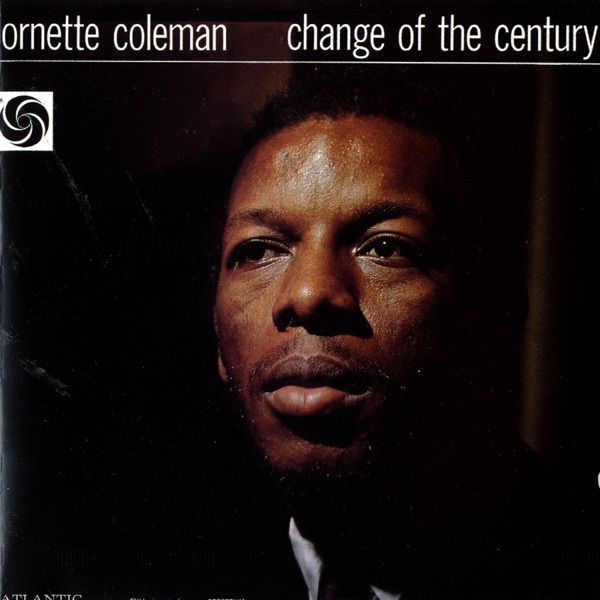
Change of the Century 1960
The musicians on this record

Hamburg ’72 1972
Charlie Haden
plays double bass here
plays double bass here
♫
Relativity Suite 1973
Don Cherry
plays trumpet here
plays trumpet here
♫
The Oracle 1989
Billy Higgins
plays drums (drum set) here
plays drums (drum set) here



