Burrell's Softer Side: A Gentle Masterwork
A showcase of restraint and intimacy that reveals what Burrell could do beyond the hard bop idiom.
The Tender Gender arrived in 1966 as a quietly confident departure for Kenny Burrell. It wasn't a commercial breakthrough or an immediate critical sensation—the kind of album that gets noticed gradually, through word of mouth and repeated listening rather than trumpet fanfare. Cadet Records gave it shelf space, but the jazz world was distracted by louder innovations. What makes this record worth your time is exactly what kept it from immediate visibility: Burrell's willingness to play soft, to trust space and silence, to let chords breathe. This is a guitarist thinking about tone the way a vocalist thinks about phrasing, every note deliberate.
The album sits apart from Burrell's earlier, more energetic work. Where his Blue Note sessions brought him into the thick of hard bop and organ-trio grooves, The Tender Gender is introspective without being maudlin. Burrell explores ballads and standards here with a touch that never oversells emotion. He shapes melodies with precision, and when he steps into a solo, it's conversational rather than virtuosic. The restraint is the point. There's a maturity on display that comes from a musician secure enough to play less, to let the listener lean in rather than grab their attention.
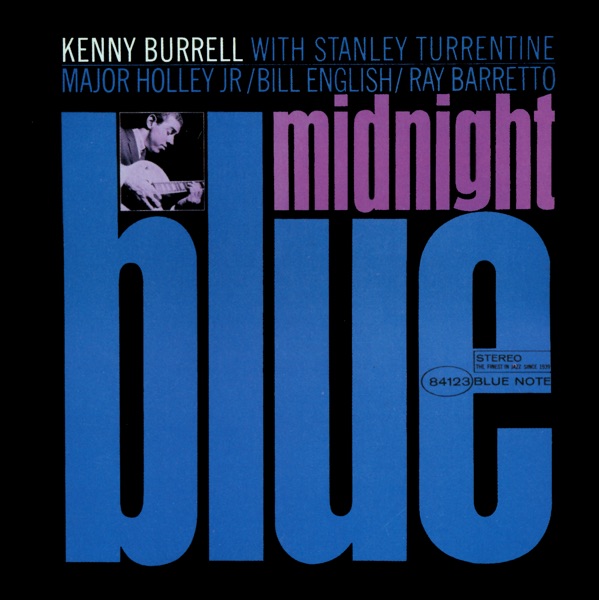
This isn't the essential Burrell starting point—that would be something like Midnight Blue (1963)—but it's essential for anyone who wants to understand the full range of what he could express on the instrument. It's a record for people who prize taste and sophistication over flash, and it rewards patient listening more than repeated casual spins.
Who's playing