1956 · Album
The Hawk in Hi-Fi
Recorded Late 1956 and early 1957 · Capitol · Arranger and Conductor: Glenn Osser

Hawkins at Full Strength in the Studio
Hawkins owned the tenor like few others, and here he had the orchestra to match his ambition.
The Gilded Hawk finds Coleman Hawkins in his element — a master saxophonist given the full orchestral treatment, backed by arrangements that respect his sound rather than bury it. Recorded in late 1956 and early 1957, this album came when Hawkins was still commanding respect as one of jazz's elder statesmen, and you can hear it in every solo. He wasn't interested in proving anything anymore; he was just playing, and that confidence runs through every track.
Glenn Osser arranged and conducted the orchestra here, which could have been a problem — big band settings can flatten a soloist's personality if the writing gets too ornate. But Osser knew what he was doing. The arrangements sit back enough to let Hawkins breathe, swinging hard without the orchestra trying to outshine him. This is a studio recording, not a live session, so everything has that polished Capitol sound that was current at the time. You won't hear Hawkins struggling or trying too hard; he's in control.
If you already know Hawkins from his earlier work or his small-group recordings, this album shows a different side — still unmistakably him, still that big warm tone and those rolling phrases, but dressed up for a different occasion. It's solid work, well-played, well-recorded. Not his most essential album, but if you like orchestra jazz and you want to hear one of the tenor's greatest players on a good day, this delivers.
Who's playing
Jack Lesbergbass
Milt Hintonbass
Hank Jonespiano
Barry Galbraithguitar
Coleman Hawkinstenor saxophone
Al Cohntenor saxophone
Sam Marowitzalto saxophone
Hal McKusickalto saxophone
Sol Schlingerbaritone saxophone
Zoot Simstenor saxophone
Jimmy Nottinghamtrumpet
Bernie Glowtrumpet
Lou Olestrumpet
Ernie Royaltrumpet
Charlie Shaverstrumpet
Nick Travistrumpet
Urbie Greentrombone
Tom Mitchelltrombone
Fred Ohmstrombone
Jack Satterfieldtrombone
Chauncey Welschtrombone
Osie Johnsondrums
Jim BuffingtonFrench horn
Arnold Eidusviolin
Bert Fischviola
Bernie Greenhousecello
Sid Jekowskyclarinet
Stan Kraftviolin
Phil Krausbell
Seymour Miroffviolin
Dave Newmanviolin
George Riccicello
Alvin Rudnitskyviolin
Dave Sarserviolin
Ed Soderocello
Marty Wilsonglockenspiel
Don Butterfieldtuba
Leo Kruczekviolin
Harry Lookofskyviolin
Alan Shulmancello
Isadore Zirviola
Where next?
More by Coleman Hawkins

Duke Ellington Meets Coleman Hawkins 1963
♫
The Hawk Flies High 1957

Coleman Hawkins and Confrères
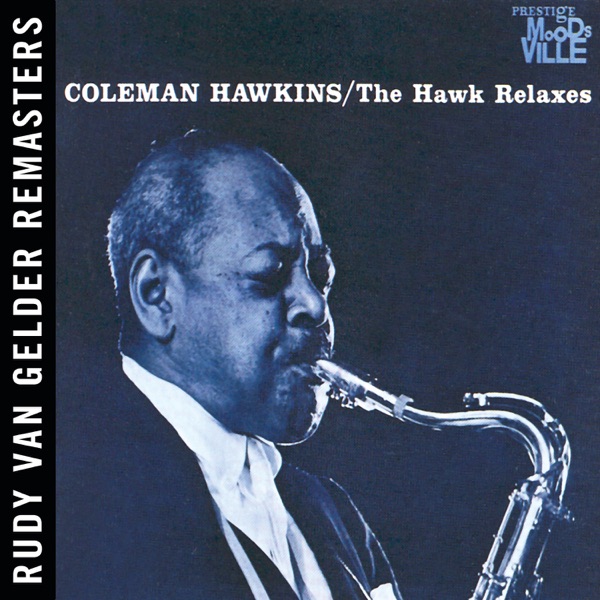
The Hawk Relaxes 1961
The musicians on this record
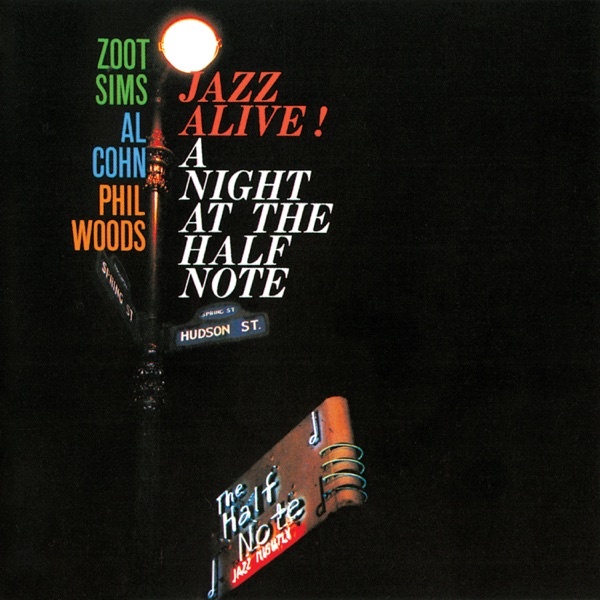
Jazz Alive! A Night at the Half Note 1959
Al Cohn
plays tenor saxophone here
plays tenor saxophone here
Jazz Alive! A Night At The Half Note (Live) 1959
Zoot Sims
plays tenor saxophone here
plays tenor saxophone here
♫
The Trio with Guests 1956
Hank Jones
plays piano here
plays piano here



