
A Ten-Year-Old Drummer in the Foxhole
Ornette's son Denardo, age ten, shows up on drums and the whole record tilts toward play.
The Empty Foxhole opens with the sound of a small, scrappy group getting loose: Ornette Coleman's alto saxophone sliding over the pulse, Charlie Haden's bass holding things loosely together, and the drums of Denardo Coleman coming in with more enthusiasm than polish. Tempos wander, the mood is playful and a little rough around the edges, and the whole thing feels more like a session caught in motion than a finished statement. Coleman also plays violin and trumpet here, which adds a restless, unfinished quality to the textures.
The record is notable mainly for being Denardo's recording debut, made when he was ten. Critics were split at the time and still are. Shelly Manne and Freddie Hubbard thought his drumming rudimentary and the decision a mistake. Others pointed out that he had studied for several years and that his playing, while unrefined, leaned more toward pulse-oriented free drummers like Sunny Murray than toward bebop. AllMusic reviewer Steve Huey gave it 3 stars, calling it not among Coleman's most exceptional efforts but admitting there is something inspiring about how good it is anyway.
If you are new to Coleman, this is not the place to start. Begin with The Shape of Jazz to Come (1959) or Free Jazz (1961) to hear what he was doing with the form. The Empty Foxhole is for listeners already comfortable with his language who want to hear an unusual family document that happens to be a jazz record.
Who's playing
Where next?
More by Ornette Coleman

The Shape of Jazz to Come 1959

New York Is Now 1968

Something Else!!!! The Music of Ornette Coleman
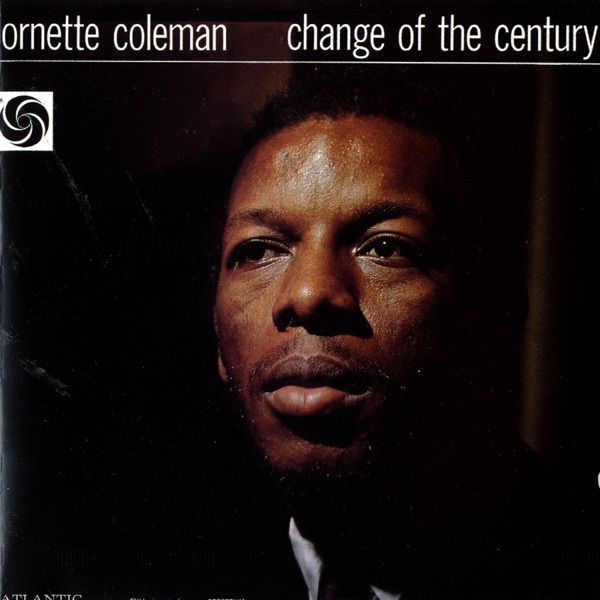
Change of the Century 1960
The musicians on this record
Their own records, close in time


