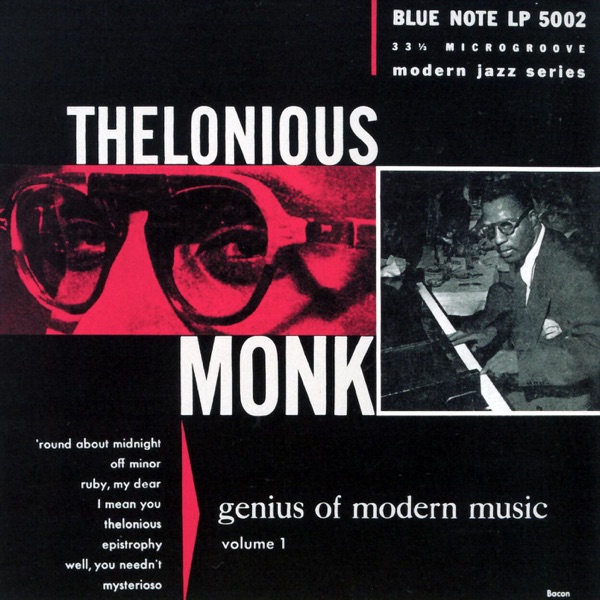
1954 · Album
The Amazing Bud Powell
Recorded August 8, 1949 and May 1, 1951 · Blue Note · Format: 10-inch LP

Powell at His Peak: A Portrait in Motion
Powell's fingers move like they're solving a puzzle only he can see, and we're lucky enough to listen.
By 1952, when Bud Powell was in his mid-twenties, he'd already survived a fractured skull and electroshock therapy, yet here he was making some of the most articulate, restless piano music in jazz. The Amazing Bud Powell captures him across two sessions — one from 1949 with a quintet featuring Fats Navarro, Sonny Rollins, Tommy Potter, and Roy Haynes, and another from 1951 in trio and solo settings with Curley Russell and Max Roach. This is Powell doing what he does best: thinking faster than most pianists can play, lines tumbling over each other, harmonies that shouldn't work but absolutely do.
The 1949 quintet tracks are the album's center of gravity. Powell trades ideas with Navarro and Rollins like three chess players moving simultaneously — nobody's showing off, everyone's listening, and the music breathes because each player trusts the others. The trio sessions from '51 let you hear Powell's architecture more clearly. With Potter and Roach, he's got room to sprawl, and he does, sometimes so fast you're not even sure what key you're in until he lands on something that makes perfect sense. The solo piano work is almost clinical in its precision — just Powell and the instrument, no hiding.
This album sits right at the heart of Powell's legacy, not a debut or a late chapter but something close to his best work. If you're new to him, start here. It's direct, it's not precious, and it sounds like someone genuinely thinking through sound. He wasn't trying to be amazing — he just was.
Who's playing
Curley Russelldouble bass
Tommy Potterdouble bass
Bud Powellpiano
Sonny Rollinstenor saxophone
Fats Navarrotrumpet
Max Roachdrums
Roy Haynesdrums
Where next?


The musicians on this record
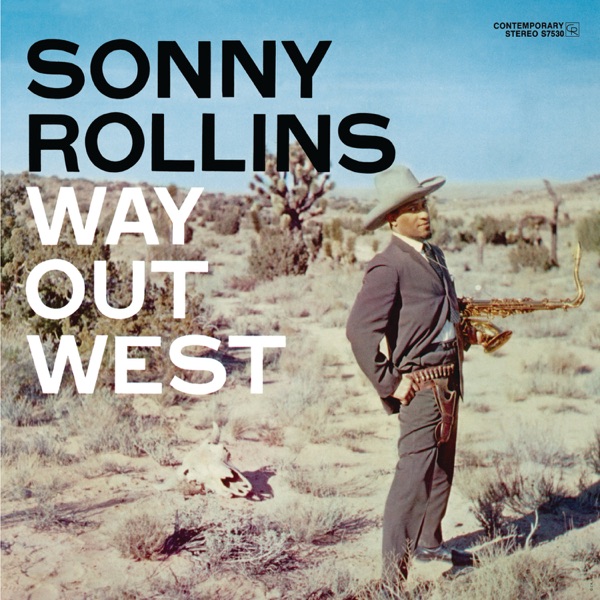
Way Out West 1957
Sonny Rollins
plays tenor saxophone here
plays tenor saxophone here
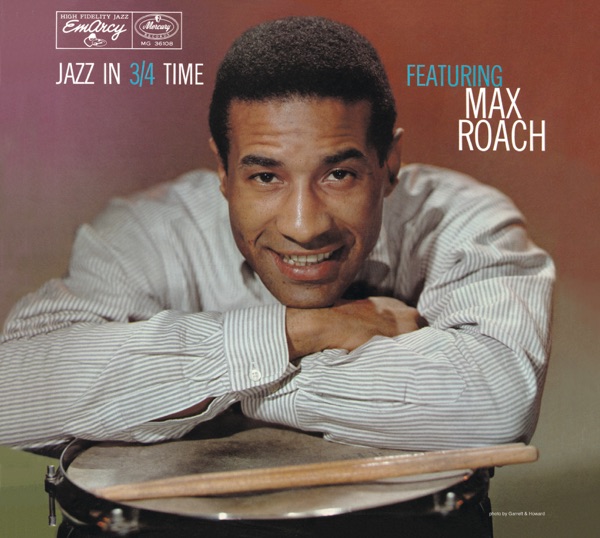
Jazz In 3/4 Time 1957
Max Roach
plays drums (drum set) here
plays drums (drum set) here

Jazz Abroad 1957
Roy Haynes
plays drums (drum set) here
plays drums (drum set) here