1958 · Album
Un Poco Loco
Recorded 1958 · Columbia Records · Produced by George Avakian

Bud Powell's Playful Dance with Bebop
Powell strips bebop down to its essentials, letting the piano sing with deceptive simplicity.
Un Poco Loco catches Bud Powell in an interesting pocket of his career — not quite at the peak of his powers, but still playing with the kind of clarity and directness that makes you forget about technical display altogether. The album is short and unpretentious, which sounds like a limitation until you actually hear it. Powell's approach here is almost deceptively simple: he finds the melody, plays it hard, and lets the rhythm section breathe. There's no overcomplication, no trying to prove anything. Just good jazz that swings.
The real draw of this record is Powell's touch on the keyboard. His lines are crystalline and quick, but they never feel rushed or defensive. He was dealing with significant health challenges by this point in his life, and maybe that actually stripped away some of the flash. What remains is pianist who understood bebop at its core — the architecture of the lines, the way a phrase should sit against the beat. The tunes themselves are solid without being spectacular, which is fine. Powell doesn't need a showstopper composition to make this work. He's the main event, and the ensemble knows its job is to support that.
This isn't the album to start with if you want to understand Bud Powell's full range or historical importance. For that, dig into his earlier material or his live recordings where you can hear the fearlessness of his approach. But Un Poco Loco is essential for anyone who already loves his playing, because it reveals something honest about his musical thinking late in his career. It's intimate without being tragic, skilled without being distant. A quietly strong record.
Who's playing
Where next?
More by Bud Powell
All 7 albums →


The musicians on this record
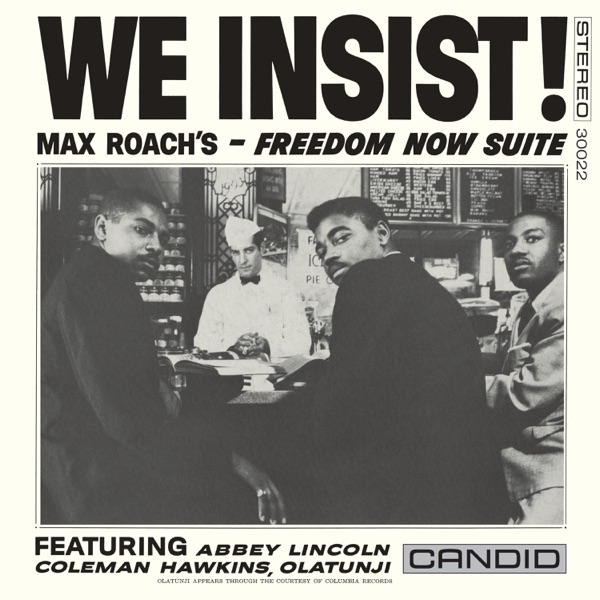
We Insist! Max Roach's Freedom Now Suite 1961
Max Roach
plays drums (drum set) here
plays drums (drum set) here

Cannonball Adderley and the Poll-Winners 1960
Ray Brown
plays double bass here
plays double bass here



