1959 · Album
Sunflower
Recorded 1958-1959 · Atlantic Records · Produced by Nesuhi Ertegun
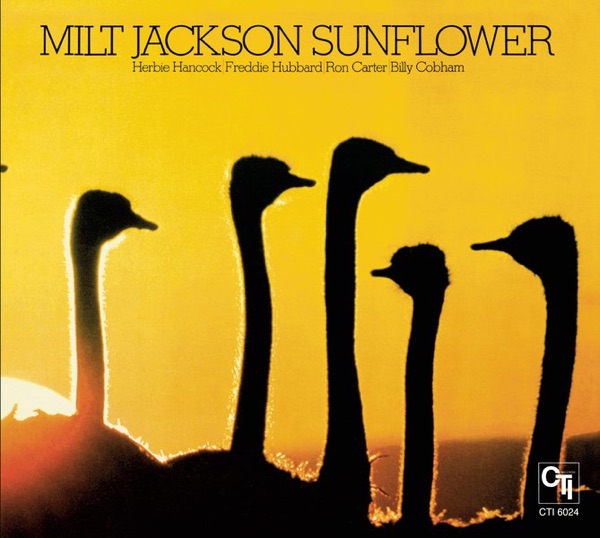
Vibes and Strings in Perfect Balance
Jackson's vibraphone sings with warmth here, never overshadowed by the strings surrounding it.
Sunflower sits in an interesting place in Milt Jackson's catalog—it's one of his collaborative efforts with strings, a setup that could easily have felt stiff or overly arranged in less capable hands. But Jackson was never the type to disappear into a lush background. His vibraphone cuts through cleanly here, warm and melodic without sacrificing any of his harmonic sophistication. The album plays like a conversation between the crystalline brightness of the vibes and orchestral arranging that actually knows when to step back and let the soloist breathe.
What makes this different from some of Jackson's other string sessions is the restraint. There's no sense of trying to make the vibraphone more "serious" by drowning it in violins. Instead, the strings function almost like an extended rhythm section with color—they support what Jackson wants to say rather than impose a predetermined mood. Tracks like the title piece have a gentle lyricism that feels earned rather than manufactured. Ray Brown and the rhythm team keep things grounded and swinging, which matters enormously when you're working with this kind of ensemble setup. It's easy to float away into sentiment, and they won't let that happen.
This isn't Jackson's most essential album, and it's not where you start if you're new to him. Bags' Groove (1957) or his work with the Modern Jazz Quartet will give you a clearer picture of what he does best. But Sunflower deserves attention from anyone who already knows his playing and wants to hear him navigate a different setting without compromising his voice. It's a successful record, not a desperate one.
Who's playing
Ron Carterbass
Herbie Hancockpiano
Jay Berlinerguitar
Freddie Hubbardflugelhorn, trumpet
Phil Bodnercor anglais, flute
George Margeclarinet, cor anglais, flute
Romeo Penquecor anglais, flute, oboe
Billy Cobhamdrums
Milt Jacksonvibraphone
Max Ellenviolin
Paul Gershmanviolin
Emanuel Greenviolin
Charles Liboveviolin
Joe Malinviolin
Charles McCrackencello
David Nadienviolin
Gene Orloffviolin
George Riccicello
Elliot Rosoffviolin
Margaret Rossharp
Alan Shulmancello
Where next?


The musicians on this record
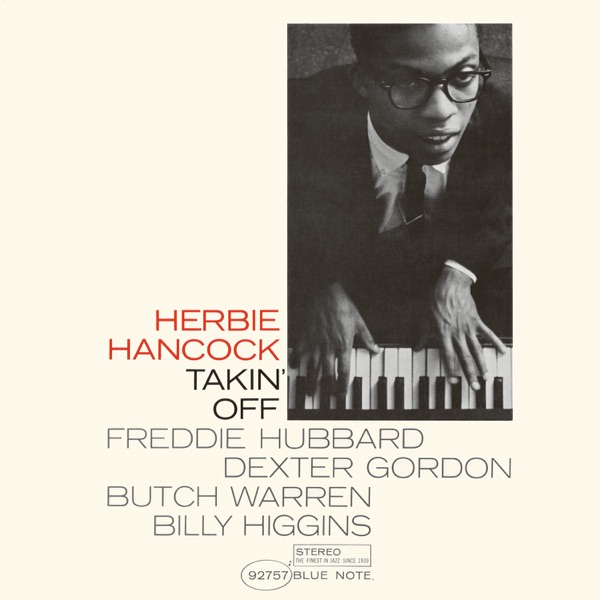
Takin' Off 1962
Herbie Hancock
plays piano here
plays piano here

Open Sesame (The Rudy Van Gelder Edition) 1960
Freddie Hubbard
plays flugelhorn here
plays flugelhorn here
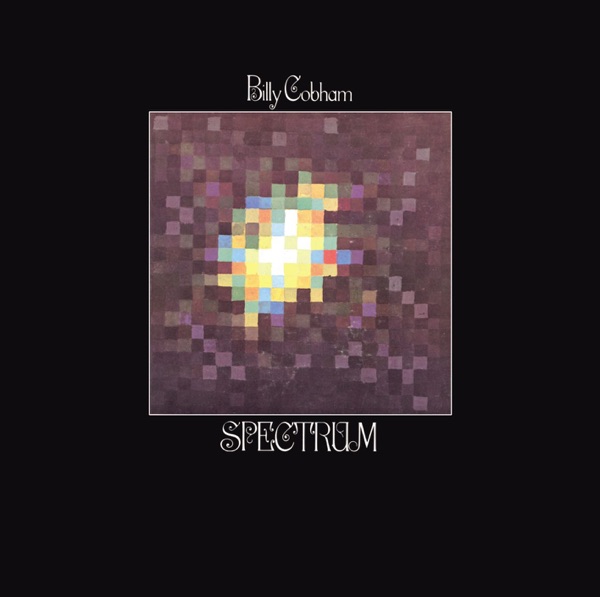
Spectrum 1973
Billy Cobham
plays drums (drum set) here
plays drums (drum set) here

Where? 1961
Ron Carter
plays bass here
plays bass here


