
Yusef Lateef's Electric Pivot
Suite 16 found Lateef embracing electric instruments and contemporary fusion textures without abandoning his compositional voice.
Suite 16 arrived quietly in 1970, a turning point that most jazz listeners missed on first release. It was not a celebrated record at the time — no critical fanfare, no immediate reissue momentum — but it has grown in stature among those who actually own it, prized less for commercial visibility than for what it reveals about Lateef's willingness to move forward. This was not a elder statesman playing it safe.
The album pairs Lateef's woodwinds and flutes with a contemporary electric band: Joe Zawinul on piano, Eric Gale and Earl Klugh on guitar, and Chuck Rainey on electric bass. The sound is neither fusion nor straight-ahead jazz, but something in between—orchestrated, composed, with space and breathing room. Tracks like the title suite show Lateef writing in longer forms, building texture through arrangement rather than blowing over changes. His tone on flute and saxophone remains unmistakably his own, warm and slightly Eastern-inflected, but now set against electric keyboards and picked guitar lines that feel modern without chasing trends. Zawinul's playing here is restrained and colorful, supporting rather than soloing.
This sits apart from Lateef's earlier Blue Note work and his spiritual recordings. It's a focused statement about what jazz could sound like in 1970 without surrendering melodic clarity or compositional intention. Not every listener will connect with it, and that's honest—the record asks for patience. But for those who do, it stands as a genuine late-career risk from an artist determined not to repeat himself.
Who's playing
Where next?
More by Yusef Lateef

Eastern Sounds 1961

The Centaur and the Phoenix 1960
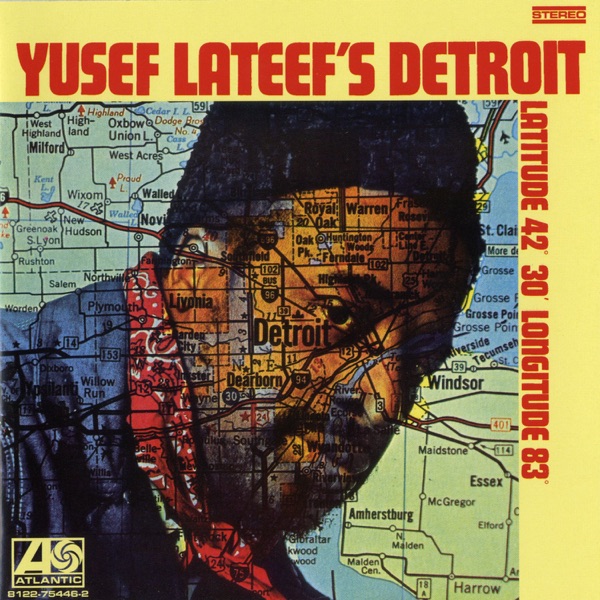
Yusef Lateef’s Detroit Latitude 42° 30′ Longitude 83° 1969

The Three Faces of Yusef Lateef 1960
The musicians on this record

Zawinul 1971
Joe Zawinul
plays piano here
plays piano here

Chuck Rainey Coalition 1970
Chuck Rainey
plays electric bass guitar here
plays electric bass guitar here


