Burrell in Form, Playing It Straight
Melodic, swinging, and respectful—Soul Call finds Burrell doing solid work without pushing any boundaries.
Soul Call presents Kenny Burrell in a comfortable groove. The guitar sits warm and centered in the mix, rhythmically assured, with a tone that's neither aggressive nor overly lyrical—just present and professional. The tempos are moderate, the mood conversational rather than urgent. There's swing here, genuine swing, but it's the kind that feels earned rather than searched for. The arrangements keep things simple: guitar front and center, the rhythm section locked and steady, space given for the melody to breathe. It's the sound of a player who knows exactly what he's doing and has no interest in proving it.
By 1964, Burrell had already established himself as one of the most reliable voices in modern jazz guitar. Soul Call sits comfortably within that established identity—it doesn't attempt to redefine him or venture into unfamiliar territory. Allmusic reviewer Scott Yanow noted that while "the music is melodic and boppish," the album offers "no real surprises," a fair assessment that doesn't diminish what's actually here. Burrell was past the point of needing to innovate. He was a respectful player in the truest sense—one who understood the language and spoke it fluently.
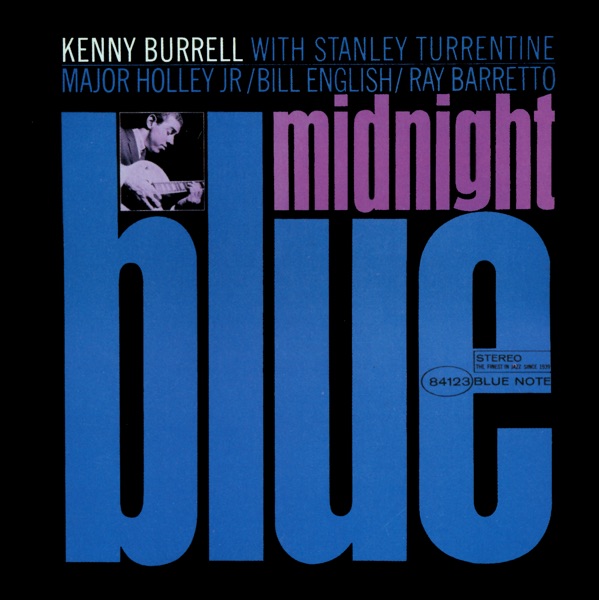
This album works best for listeners already familiar with Burrell's earlier work, particularly those who appreciate his Blue Note recordings and want to hear how that voice carried into the mid-1960s. It's a solid session that reinforces rather than rewrites his reputation. There's value in that consistency, though Soul Call isn't the place to start if you're discovering him for the first time.
Who's playing