1983 · Album
Passion, Grace & Fire
Recorded 1983 · Columbia Records · Produced by Al Di Meola, John McLaughlin, Paco de Lucía
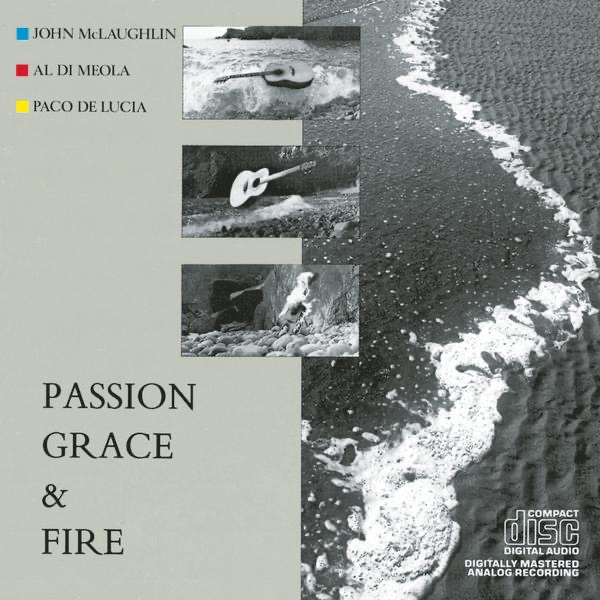
Three Guitars, One Conversation, No Net
Three of the world's fastest acoustic guitarists locked in a studio, playing for keeps.
By 1983, Al Di Meola, John McLaughlin, and Paco de Lucía had already made a serious impression with Friday Night in San Francisco (1982), a live acoustic guitar summit that spread quickly among musicians and serious listeners. Passion, Grace & Fire is the studio follow-up, and the move from concert stage to recording environment changes the feel considerably. Without the electricity of a live audience, the playing is tighter and more considered — sometimes thrillingly so, sometimes at the cost of spontaneity. These are three virtuosos who clearly prepared, and it shows in both the precision and, occasionally, the slight lack of surprise.
The album opens with 'Eppur Si Muove,' a Di Meola composition that sets the tone well: intricate runs, rhythmic interplay, and the kind of unison passages that make you wonder how three people with different musical backgrounds arrived at the same phrase simultaneously. De Lucía brings a flamenco authority throughout that neither of the other two can quite match on his home territory, and his solo pieces feel like the emotional center of the record. McLaughlin's contributions push toward a more modal, jazz-influenced direction. The tension between these three stylistic pulls is the album's real subject — it doesn't always resolve neatly, and that's part of what makes it interesting.
This is a good album, not a great one. Listeners who love acoustic guitar playing — the mechanics of it, the technique, the sheer physical dexterity on display — will find plenty to admire. Those looking for deep emotional narrative might find it a little cool. Think of it as three elite athletes running a relay: the handoffs are spectacular, even if you don't always feel your heart in your throat. Worth owning if acoustic guitar is your thing.
Who's playing
Where next?
More by Al Di Meola

Friday Night in San Francisco 1981

Elegant Gypsy 1977
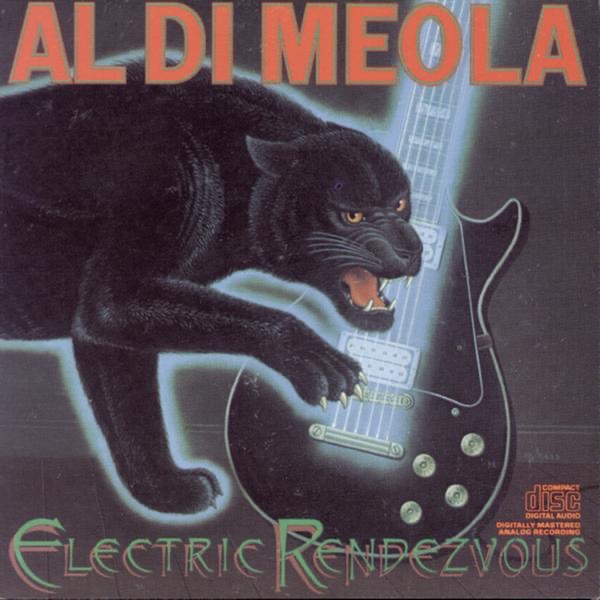
Electric Rendezvous 1982
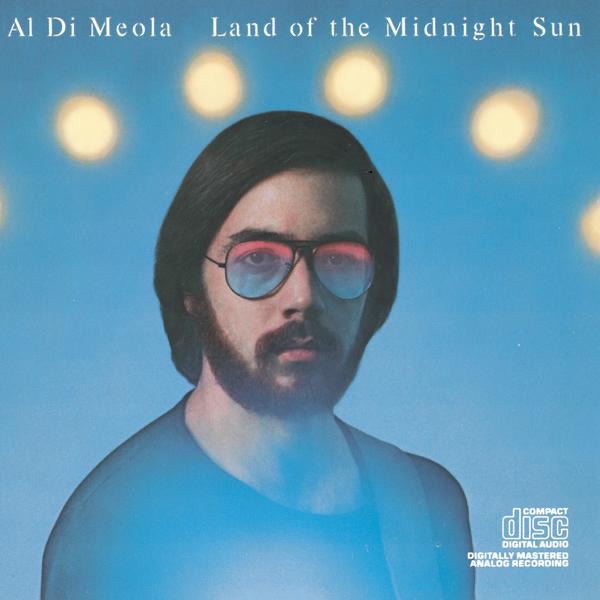
Land of the Midnight Sun 1976
The musicians on this record

Siroco 1987
Paco de Lucía
plays classical guitar here
plays classical guitar here

Belo Horizonte 1981
John McLaughlin
plays classical guitar here
plays classical guitar here


