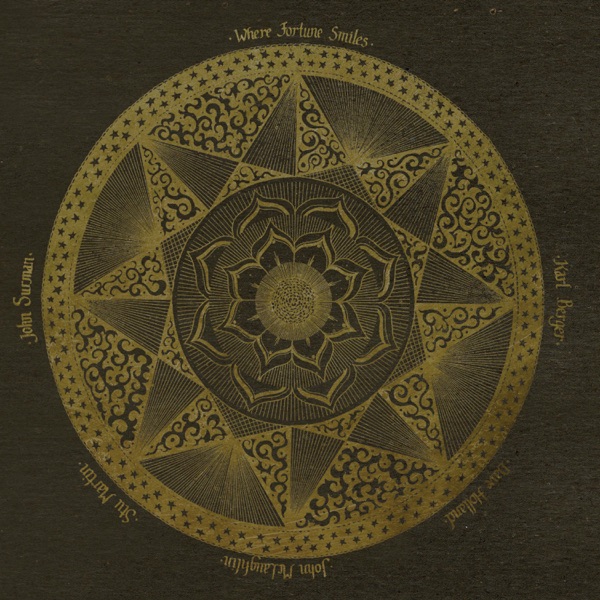
1981 · Album
Belo Horizonte
Warner Music Group · Chart Peak (Jazz Albums): Number 11 · Chart Peak (Billboard 200): Number 172

McLaughlin in Brazil: A 1981 Turning Point
Belo Horizonte captures McLaughlin exploring Brazilian rhythms with the precision of a classical musician.
By 1981, John McLaughlin had already built one of the most restless careers in jazz. He'd moved through fusion, acoustic experimentation, and various collaborations—always searching, never settling. Belo Horizonte finds him looking south, to Brazil, for fresh material and new rhythmic possibilities. The album sits somewhere in the middle of his catalog: not the revolutionary early fusion work that made his name, not the focused acoustic records that came later, but a solid attempt to blend his virtuosity with Brazilian sensibility.
The album charts at number 11 on the Jazz Albums chart, which tells you it found an audience, though it barely registered on the main Billboard 200 at 172. This gap suggests what the record actually is: a musicians' album rather than a crossover bid. McLaughlin's playing here is clean and precise—his classical training audible in every line—but the focus shifts to composition and arrangement. The Brazilian influence isn't window dressing; it shapes the harmonic approach and the way rhythms sit underneath the solos. If you come to this expecting the electric intensity of his Mahavishnu days, you'll be disappointed. This is more introspective, more concerned with space and texture.
Where does it fit? Honestly, it's for committed McLaughlin listeners, not an entry point. His earlier acoustic work is more immediately engaging, and his fusion albums have more of the high-wire tension that made people pay attention. But if you've spent time with his catalog and want to hear him in a different context—still virtuosic, still serious, but gentler—Belo Horizonte rewards attention. It's a working musician taking on a place and a tradition, which is a valid reason to make a record, even if it's not his most essential one.