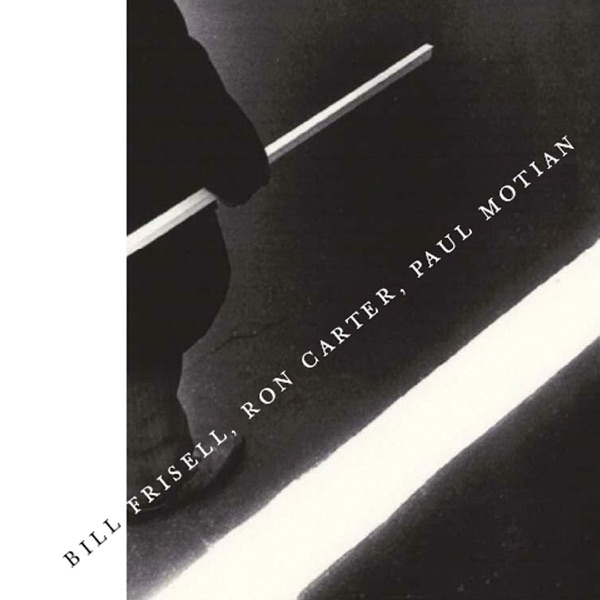
Listening to Monk Through a Drummer's Ears
Motian's version of Monk isn't reverential—it's a conversation between two restless minds.
Paul Motian was never the type to genuflect, and Monk in Motian (1959) proves it. This album finds the drummer approaching Thelonious Monk's compositions not as sacred texts but as puzzles to solve, frameworks to bend. The tunes themselves—"Round Midnight," "Monk's Mood," "Straight No Chaser"—are unmistakably Monk, but Motian's touch transforms them into something less certain, more questioning. His drumming here is spare and architectural, never rushing to fill space. Instead of stating the obvious groove, he's circling around it, suggesting rhythms rather than hammering them home.
This is early work, and that matters. Motian's later career would take him in many directions, but Monk in Motian (1959) captures him at a moment when he was still figuring out what a drummer could do by playing less. The album breathes. There are stretches where the drums nearly disappear, letting the piano and horns find their own logic before Motian gently pushes back. It's not flashy or showy. Some listeners might find it understated to the point of invisibility, and that's fair—this isn't a record about the drummer showing off. It's a record about listening.
If you want to understand Motian's philosophy, start here rather than chasing his more famous later recordings. The album works best for people willing to meet it halfway, who don't need a drum solo on every track to feel engaged. It's a document of a musician thinking carefully about how to serve the music rather than dominate it. That restraint is its own kind of statement.
Who's playing
Geri Allenpiano
Bill Frisellelectric guitar
Joe Lovanotenor saxophone
Dewey Redmantenor saxophone
Paul Motiandrums
Where next?
More by Paul Motian
All 14 albums →


The musicians on this record
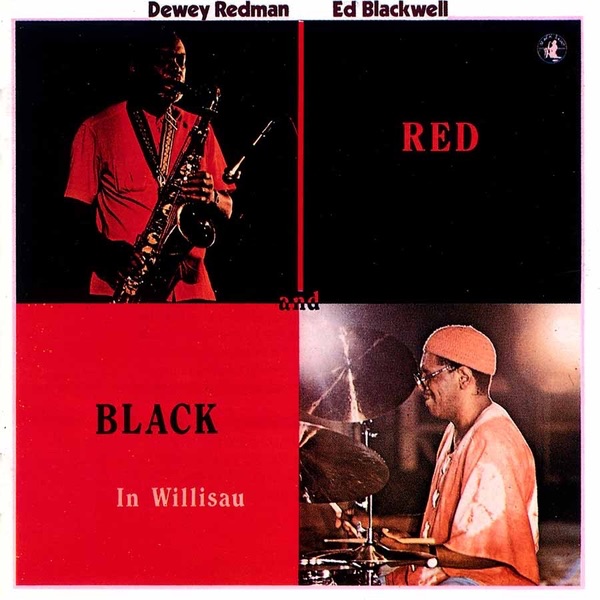
Red and Black in Willisau 1985
Dewey Redman
plays tenor saxophone here
plays tenor saxophone here
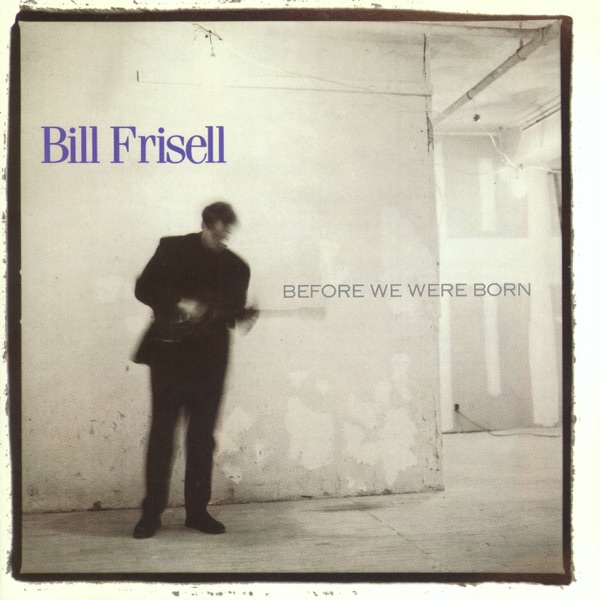
Before We Were Born 1989
Bill Frisell
plays electric guitar here
plays electric guitar here
Solid Steps 1986
Joe Lovano
plays tenor saxophone here
plays tenor saxophone here



