
Coleman's Open Sound in 1968
Love Call shows Coleman still pushing the boundaries of what jazz saxophone could express.
By 1968, Ornette Coleman had already spent a decade proving that free jazz wasn't just noise—it was a genuine language with its own logic. Love Call, recorded that year, finds him working within the Blue Note label system, which meant more resources and a wider audience than some of his earlier independent releases. This is worth noting because Coleman didn't always get the studio treatment his ideas deserved. Here he gets it.
The album arrives after Coleman had established his core approach but before some of his more experimental ventures into other instruments. If you're new to Coleman, this isn't the first album to grab—start with something like his Atlantic recordings if you want the pure statement of his early vision. But Love Call matters because it shows him at a point where he could refine his sound without compromising it. The horns cut clearly, the rhythm section locks in ways that still feel open, and there's real breathing room in how the pieces develop. Coleman's alto sax remains the focal point, and his tone here has a directness that makes even his most unconventional phrases feel intentional rather than chaotic.
This album belongs to committed Coleman listeners more than casual browsers. It's not a masterpiece on the order of his best work, but it's solid—a document of an artist who understood that freedom in music doesn't mean abandoning form, just reimagining it. The playing is confident and purposeful throughout. If you already know Coleman's work, Love Call fills in an important gap in how his music evolved during the late sixties.
Who's playing
Jimmy Garrisondouble bass
Ornette Colemanalto saxophone, trumpet
Dewey Redmantenor saxophone
Elvin Jonesdrums
Where next?
More by Ornette Coleman

The Shape of Jazz to Come 1959

New York Is Now 1968

Something Else!!!! The Music of Ornette Coleman
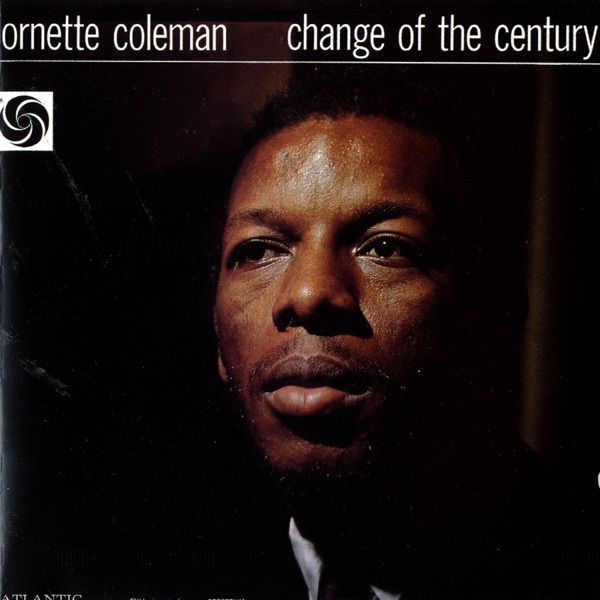
Change of the Century 1960
The musicians on this record
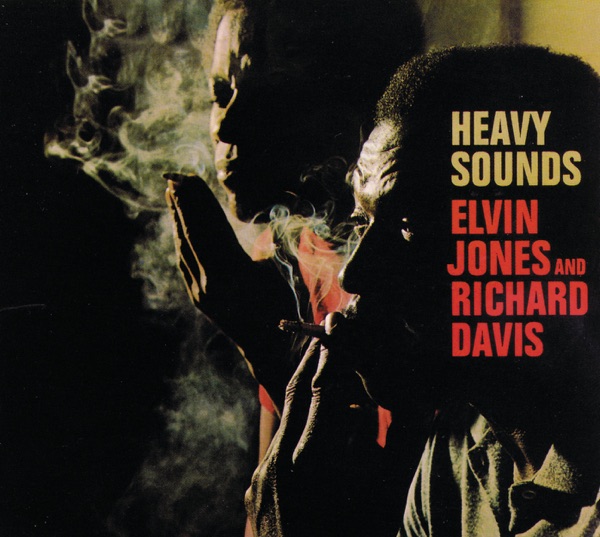
Heavy Sounds 1968
Elvin Jones
plays drums (drum set) here
plays drums (drum set) here

The Ear of the Behearer 1973
Dewey Redman
plays tenor saxophone here
plays tenor saxophone here



