1992 · Album
Legacy Of A Legend
Recorded 1992 · Concord Jazz · Produced by Not specified in available documentation

Time Out of Time: Brubeck's Final Statement
A pianist reflecting on his own journey, distilling decades into twelve perfect tracks.
By the time Dave Brubeck made Legacy Of A Legend (1992), he'd already spent four decades proving that jazz didn't need to apologize for being smart or accessible. This late-career record finds him doing something quieter than that—not proving anything, just playing. The album moves through standards and Brubeck originals with a musician who knows exactly what he wants to say and isn't interested in showing off anymore. There's real comfort in that. The piano work is clean and uncluttered, built on touch rather than technique, which only matters if you've already mastered technique.
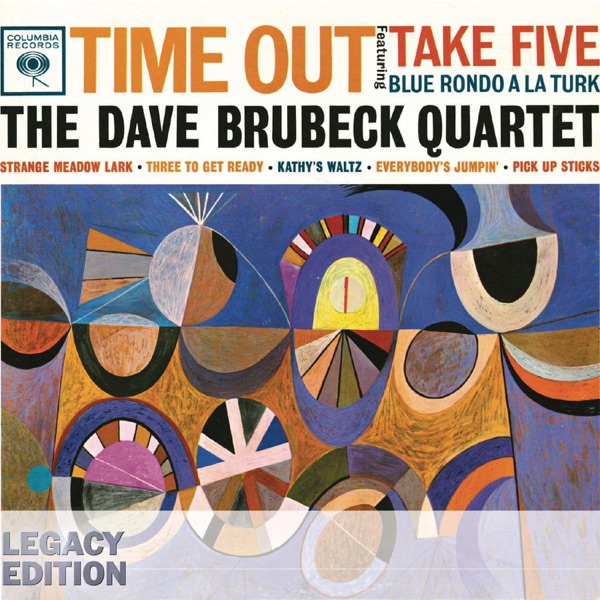
What makes this stand out from his earlier work is the deliberate pacing. These aren't the angular harmonies or driving rhythms of his most famous material. Instead, there's a reflective quality that respects silence and space. Each track breathes. If you're coming to Brubeck for the first time, start with Time Out (1959) or Take Five (1961)—those albums explain why he mattered commercially and creatively. But if you've spent time with his catalog and want to hear what a master sounds like when he's mostly talking to himself, this is it. It's the work of someone who'd already said what needed saying and found peace in repetition.
The album has its limits. Not every track lands with equal weight, and there's an undeniable mellowness that some listeners will find genteel rather than moving. It's not a record that breaks new ground or challenges the listener aggressively. What it does is provide the company of an excellent musician in a reflective mood, which turns out to be enough.