
Spiritual Fire and Cosmic Search
Karma shows Sanders at absolute peak, turning the tenor saxophone into something almost vocal and deeply human.
By the time Pharoah Sanders recorded Karma (1969), he'd already spent years pushing the saxophone into new territory—working with John Coltrane, absorbing everything about spiritual jazz and modal exploration. But Karma is where he fully owned his voice. This isn't a sideman album or an apprentice work. This is Sanders leading the way, and you hear it immediately in how he plays: the tone is enormous and slightly rough, almost like he's singing through the horn rather than playing notes on it.
The band here matters. Leon Thomas handles vocals on several tracks, and his presence—especially on 'Let Me Fly'—brings a human warmth that keeps the cosmic ambitions grounded. Pianist Lonnie Liston Smith, bassist Reggie Workman, and drummer Andrew Cyrille create space around Sanders rather than competing with him. The album moves between long, searching improvisations and more structured pieces, but it never feels scattered. 'The Creator Has a Master Plan' is the track everyone knows, and deservedly so—it's 32 minutes of pure meditative searching, Sanders's saxophone floating over Leon Thomas's vocals like they're having a conversation across different dimensions.
Karma landed at the height of Sanders's powers, and it remains his most widely recognized record. If you're coming to spiritual jazz for the first time, or if you want to understand what made Sanders essential to the music, start here. It's dense and sometimes demanding, but it rewards listening. This is the album that made people understand that the saxophone could be an instrument of genuine spiritual searching, not just technical display.
Who's playing
Richard Davisdouble bass
Reggie Workmandouble bass
Ron Carterdouble bass
Lonnie Liston Smithpiano
Pharoah Sanderstenor saxophone
James Spauldingflute
Billy Hartdrums
Freddie Waitsdrums
Nat Bettispercussion
Leon Thomaspercussion
Julius WatkinsFrench horn
Where next?


The musicians on this record
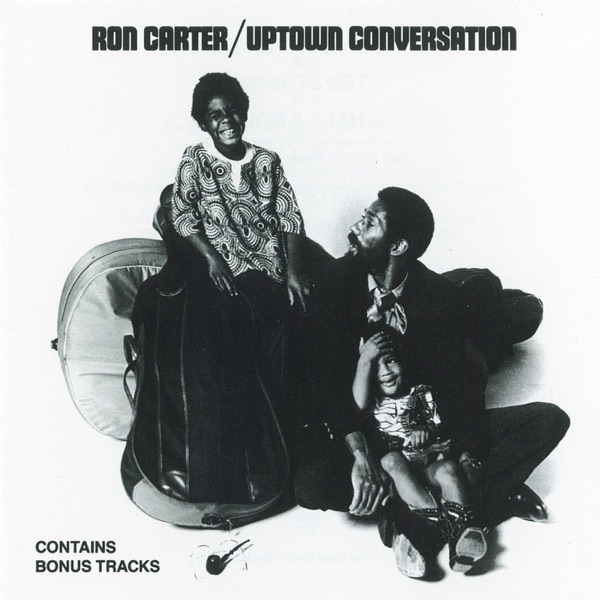
Uptown Conversation 1969
Ron Carter
plays double bass here
plays double bass here
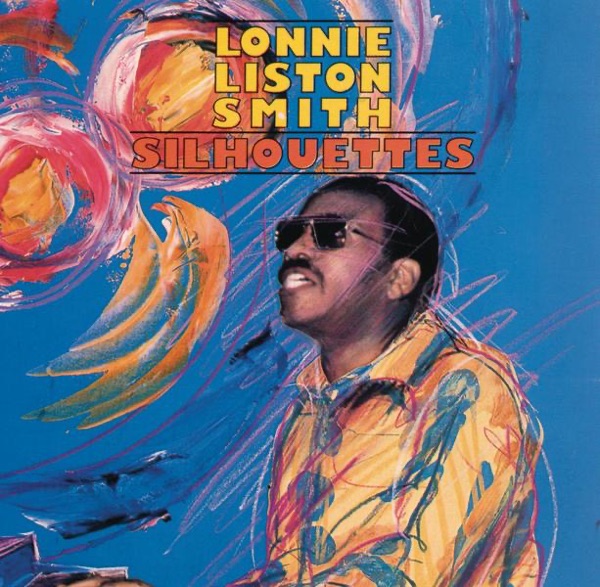
Silhouettes 1984
Lonnie Liston Smith
plays piano here
plays piano here

Great Friends 1987
Billy Hart
plays drums (drum set) here
plays drums (drum set) here


