
Pharoah Sanders' Spiritual Awakening in Sound
Thembi captures Sanders at a crucial moment, balancing raw spiritual intensity with newfound compositional clarity.
Thembi arrived at a pivotal point in Pharoah Sanders' career, right when he was finding his own voice after years as a sideman in John Coltrane's groups. This album doesn't sound like anything else he'd recorded before—it's more focused, more deliberate, while still maintaining that searching quality that defined his playing. The title track opens with Sanders' tenor saxophone wailing over a rhythm section that feels like it's barely containing the energy, and you understand immediately that this record is about something. Reggie Workman on bass and Frankie Jones on drums give the music a grounded foundation, but Sanders keeps pushing against those boundaries, his tone raw and sometimes almost harsh in a way that takes getting used to.
What makes Thembi stand apart from Sanders' other early records is how the spiritual impulse feels earned rather than imposed. Songs like "Hump Back" and "Upper and Lower Egypt" aren't just vehicles for extended soloing—they actually have shapes and purposes. The arrangements breathe. There's a sense of Sanders working through something, testing out ideas about how free expression could coexist with structure. This is essential listening if you want to understand where he was heading, though it's not the gentlest entry point into his music.
This record sits between his work with Coltrane and his later, more celebrated albums for Impulse. It doesn't have the historic weight of those later sessions, and some listeners find it too unpolished compared to what came after. But that's exactly why it matters—Thembi is Sanders in transition, still hungry, still figuring out who he wanted to be. If you're already familiar with his deeper catalog, this one fills in essential gaps. For newcomers, start with his later Impulse releases first, then circle back here.
Who's playing
Roy Haynesdrums
Clifford Jarvispercussion
Cecil McBeepercussion
Pharoah Sanderspercussion
Lonnie Liston Smithpercussion
Michael Whitepercussion
Nat Bettispercussion
Chief Beypercussion
Majid Shabazzpercussion
Anthony Wilespercussion
James Jordancymbal
Where next?


The musicians on this record
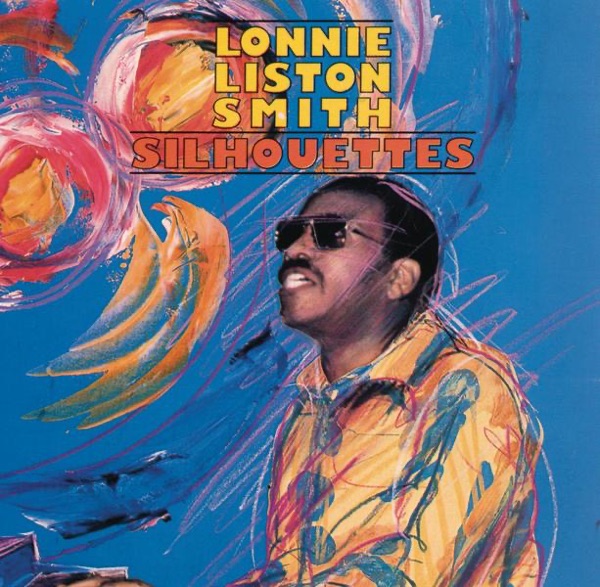
Silhouettes 1984
Lonnie Liston Smith
plays percussion here
plays percussion here
♫
Hip Ensemble 1971
Roy Haynes
plays drums (drum set) here
plays drums (drum set) here


