1969 · Album
Fat Albert Rotunda
Recorded 1969 · Warner Bros. Records · Produced by David Rubinson
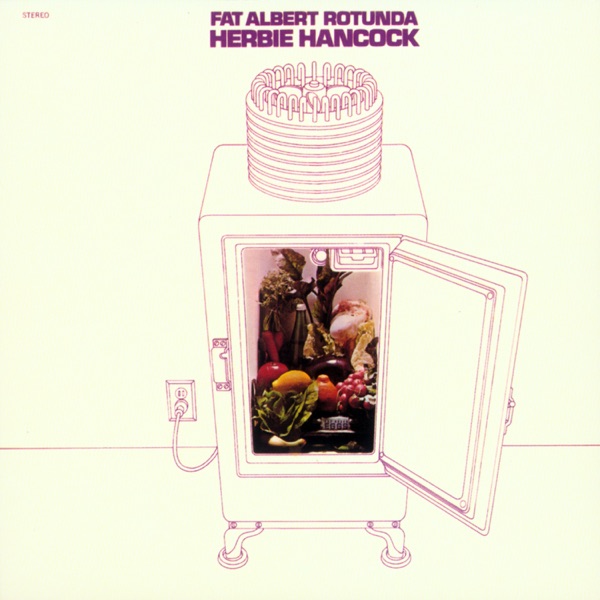
Where Jazz Met Saturday Morning
Hancock pivots from Blue Note sophistication to funky, horn-drenched grooves built for a cartoon neighborhood.
By 1969, Herbie Hancock had spent years recording some of the most harmonically adventurous jazz of the decade for Blue Note. Then he wrote a soundtrack for a Bill Cosby television special about a big kid from the neighborhood, and everything shifted. Fat Albert Rotunda (1969) was his first record for Warner Bros., and it sounds like a man genuinely enjoying a change of scenery. The music was composed for the TV special Hey, Hey, Hey, It's Fat Albert, which eventually inspired the long-running Fat Albert and the Cosby Kids animated series. That origin matters, because it explains a lot about the record's personality.
This is not Hancock in cerebral mode. The album leans hard into soul-jazz and funk, with a fat horn section doing most of the heavy lifting. Tracks like 'Fat Mama' and 'Wiggle-Waggle' are built around riffs that lock in and bounce — this is music meant to be felt in the body before it is understood in the head. The arrangements are punchy and direct in a way that Hancock's earlier Blue Note work rarely was. If you come to this expecting the introspective complexity of Maiden Voyage, you will be pleasantly surprised rather than disappointed — it is just a different game entirely.
Fat Albert Rotunda sits at a pivot point in Hancock's catalog — between his acoustic jazz past and the electric funk experiments that would follow. It is not his most searching work, but it is genuinely good fun, and the playing throughout is tight and confident. For listeners who think of Hancock only through his later pop crossover hits, this record shows him finding the groove language he would eventually push much further. Worth your time, especially tracks two and three.
Who's playing
Jerry Jemmottbass
Buster Williamsbass
Herbie Hancockpiano
Billy Butlerguitar
Eric Galeguitar
Arthur Clarkebaritone saxophone
Joe Farrellsaxophone
Joe Hendersontenor saxophone
Johnny Colesflugelhorn, trumpet
Joe Newmantrumpet
Ernie Royaltrumpet
Benny Powelltrombone
Bernard “Pretty” Purdiedrums
Albert “Tootie” Heathdrums
George Devenspercussion
Ray AlongeFrench horn
Where next?
More by Herbie Hancock
All 26 albums →
The musicians on this record

Power To The People 1969
Joe Henderson
plays tenor saxophone here
plays tenor saxophone here
Something More 1989
Buster Williams
plays bass here
plays bass here



