1957 · Album
All Day Long
Recorded 1957 · Prestige · Produced by Not specified in source material

Donald Byrd's Trumpet Lifts the All Stars
Byrd's bright, conversational trumpet gives these all-composed sessions their spine and direction.
What makes All Day Long work is Donald Byrd's presence. He's not the credited leader here—that distinction belongs to Kenny Burrell—but Byrd's trumpet is what gives these sessions their voice and urgency. His tone is clean and direct, never overwrought, and he navigates the composed material with a solidity that keeps the Prestige All Stars from sounding like a casual pickup date. Byrd doesn't showboat; he plays for the tune and for the band around him.
The album came out in 1957, a moment when Byrd was establishing himself as a serious modernist voice, and these sessions show him in that mode—thoughtful, capable, unafraid of straightforward melodies. Burrell's guitar work is solid throughout, but it's Byrd who shapes the session's character. The fact that all tracks were composed by band members means there's real investment in the material; this isn't a blowing date where players are just reacting to standards. Byrd's contributions as a composer matter as much as his horn.
Neither AllMusic nor The Penguin Guide to Jazz rated this one especially high—both gave it three stars—but that's partly because the album doesn't pretend to be more than it is. It's a working session by players who knew what they wanted to do and did it cleanly. For listeners curious about Byrd's early development or looking for solid mid-century hard bop without the fanfare, this holds up fine. It's not a peak moment in his catalogue, but it's genuinely representative of his approach.
Who's playing
Doug Watkinsdouble bass
Tommy Flanaganpiano
Kenny Burrellguitar
Frank Fostertenor saxophone
Donald Byrdtrumpet
Art Taylordrums
Where next?
More by Kenny Burrell

Introducing Kenny Burrell 1956
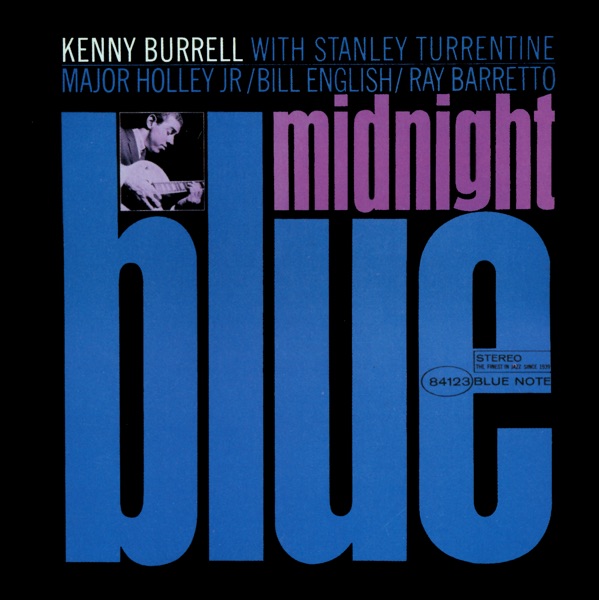
Midnight Blue 1963
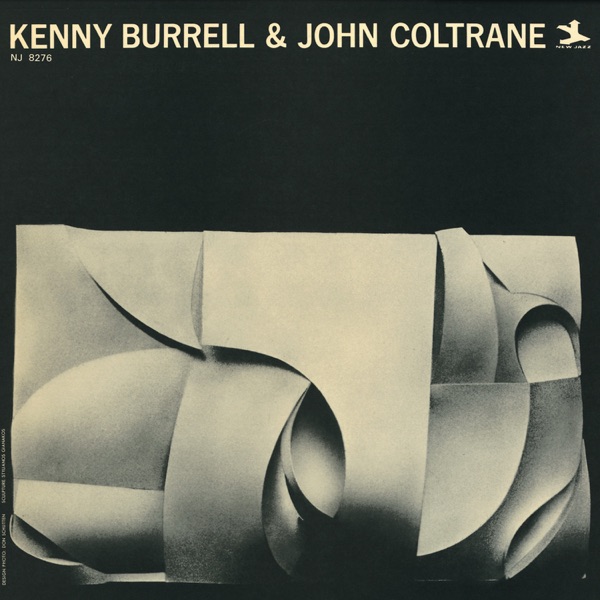
Kenny Burrell & John Coltrane 1963
♫
Jazzmen: Detroit 1956
The musicians on this record
Their own records, close in time


