1994 · Album
A Tribute to Miles
Recorded 1994 · Columbia Records · Produced by Not specified in available sources

The Second Quintet Honors Its Leader
Four surviving members of Miles Davis's greatest rhythm section reunite to pay formal respect to their departed leader.
By 1994, Wayne Shorter had spent decades as a bandleader in his own right, but this project positioned him not as the focal point but as one part of a collective historical statement. The album gathers Herbie Hancock, Ron Carter, and Tony Williams—the core of Miles Davis's Second Great Quintet—alongside trumpeter Wallace Roney, who steps into the role Davis defined. It's a respectful, almost ceremonial record, and that's precisely what limits it.
The music is clean and precise. Hancock's touch remains elegant, Carter's bass line secure, Williams's drumming still sharp and responsive. Roney plays with clear intent, avoiding imitation while acknowledging the weight of the position. What's missing is friction. These musicians know each other too well, have internalized their roles too completely. There's no surprise in how "Nardis" unfolds, no real tension in "Footprints." The arrangements feel settled before the first note sounds. You hear respect and competence, not challenge or discovery.
This isn't a failed record—it's a ceremony that accomplishes what it sets out to do. But it sits oddly in Shorter's discography, a detour into reverence rather than invention. AllMusic's assessment of three stars seems fair: solid playing in service of a tribute that ultimately reminds you why hearing Miles Davis's own recordings still matters more.
Who's playing
Ron Carterdouble bass
Herbie Hancockpiano
Wayne Shortersaxophone
Wallace Roneytrumpet
Tony Williamsdrums
Where next?
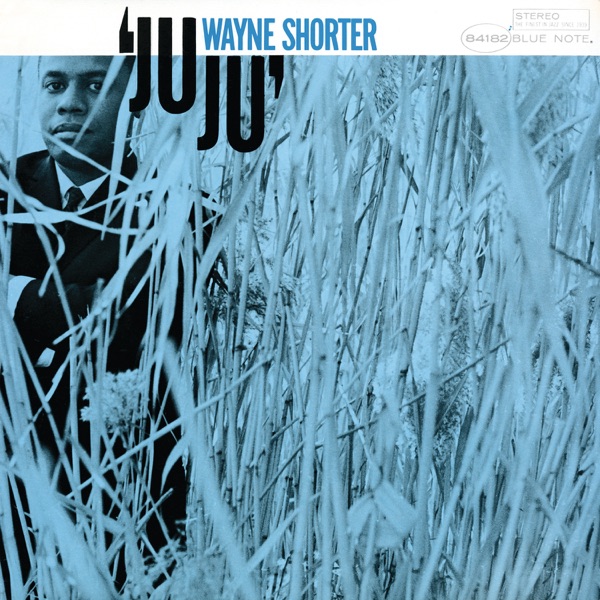
More by Wayne Shorter
All 24 albums →


The musicians on this record
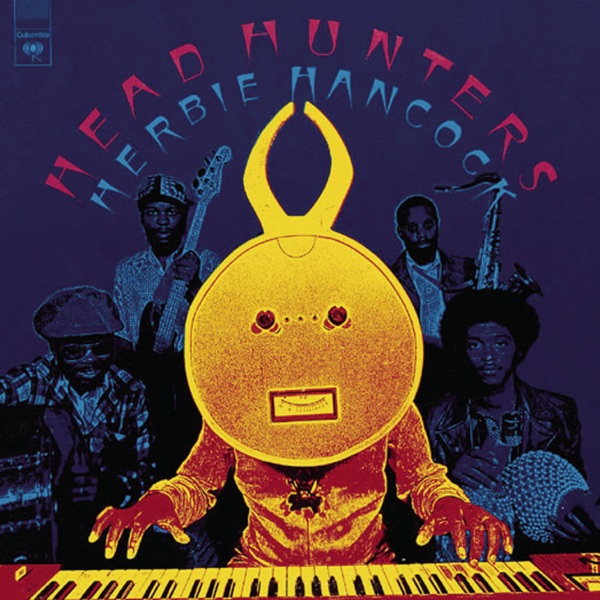
Head Hunters 1973
Herbie Hancock
plays piano here
plays piano here

The Bass And I 1997
Ron Carter
plays double bass here
plays double bass here

Wilderness 1996
Tony Williams
plays drums (drum set) here
plays drums (drum set) here


