1960 · Album
This Is Our Music
Recorded 1960 · Atlantic Records · Produced by Nesuhi Ertegun

Freedom Without a Map
Coleman strips jazz down to its raw emotional core, no safety net required.
By 1959, Ornette Coleman had already spent years in Los Angeles playing the kind of jazz that made other musicians uncomfortable. His plastic alto saxophone, his disregard for chord changes, his insistence that melody and emotion mattered more than harmonic convention—these things didn't fit the established template. This Is Our Music is where he stopped asking for permission and made the statement anyway, right there in the title. It's early in his career, before he became famous, before the battles over free jazz were fully joined. What you hear is a working band playing the music they actually believed in, without the safety of a big label or a established protocol to hide behind.
The album moves in and out of recognizable jazz shapes, but never stays still long enough to fully resolve them. Melodies begin where you expect harmony to anchor everything down. The rhythm section doesn't lock into a predictable groove so much as orbit around the soloist's emotional trajectory. There's a looseness here that could sound chaotic in less committed hands, but instead it sounds like genuine conversation. Coleman isn't showing off or breaking rules for the sake of it—he's simply following the music to places where it naturally wants to go, and he's brought a band willing to follow.
This record won't be everyone's entry point to Coleman's music. If you want something more immediately approachable, look elsewhere first. But if you've spent time with his later work and want to understand where the confidence came from, this is it. This is a musician in his own element, doing exactly what he set out to do, with no apologies built into the grooves.
Who's playing
Where next?
More by Ornette Coleman

The Shape of Jazz to Come 1959

New York Is Now 1968

Something Else!!!! The Music of Ornette Coleman
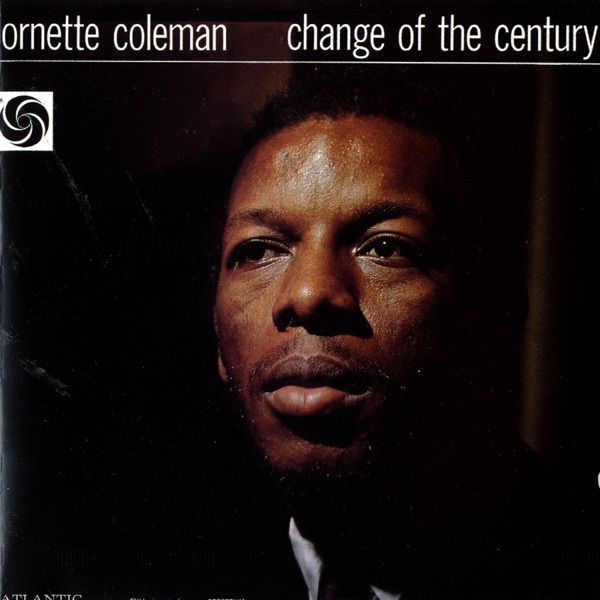
Change of the Century 1960
The musicians on this record
♫
Rejoicing 1984
Charlie Haden
plays double bass here
plays double bass here

The Avant-Garde 1966
Don Cherry
plays pocket trumpet here
plays pocket trumpet here
♫
Tune In 1969
Ed Blackwell
plays drums (drum set) here
plays drums (drum set) here


