
Nelson's Unexpected Turn to the Soprano
Nelson sticks exclusively to soprano throughout, proving himself near the top of his field on an unfamiliar horn.
By 1966, Oliver Nelson was already established as a composer and arranger—a saxophonist of serious credentials on alto and tenor. Sound Pieces (1966) arrived as something of a left turn. He picked up the soprano exclusively, an instrument not typically associated with his profile, and fronted a 20-piece big band through three of his own compositions. The move could have felt like a gimmick. Instead, Nelson's soprano work holds its own against players more famous on the horn. His playing here is strong, confident, without affectation—he doesn't oversell the switch or lean on the instrument's built-in prettiness. He just plays well.
The big band arrangements give the record a different texture from Nelson's smaller-group work. This is orchestral territory, ambitious in scope. Three featured compositions anchor the session, allowing Nelson room to shape the sound around his writing rather than simply leading a pickup ensemble through standards. The Impulse! label, known for supporting forward-thinking jazz, was the right home for this kind of experiment.
The album matters less as a career peak than as evidence of Nelson's restlessness. He was a composer-bandleader first, a soloist second. Sound Pieces (1966) is a record that values the orchestra over individual heroics, and that architectural approach would define much of his later work. It's not the place to start with Nelson, but it shows why his thinking extended far beyond the individual horn.
Who's playing
Ray Browndouble bass
Plas Johnsonbass clarinet, flute, tenor saxophone
Jack Nimitzbaritone saxophone, bass clarinet
Bill Perkinsbass clarinet, flute, tenor saxophone
Ron Carterdouble bass
Victor Feldmanpiano
Steve Kuhnpiano
Gabe Baltazaralto flute, alto saxophone, clarinet
William Greenalto saxophone, flute
Oliver Nelsonsoprano saxophone
Shelly Mannedrums
Grady Tatedrums
Red Callendertuba
William HinshawFrench horn
Richard PerissiFrench horn
Where next?
More by Oliver Nelson

The Blues and the Abstract Truth 1961

More Blues and the Abstract Truth 1961

Oliver Nelson Plays Michelle 1966

Skull Session 1975
The musicians on this record
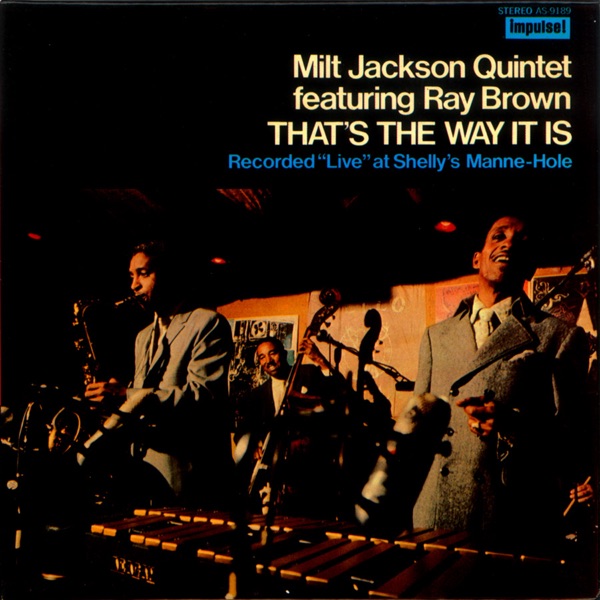
That's the Way It Is 1969
Ray Brown
plays double bass here
plays double bass here
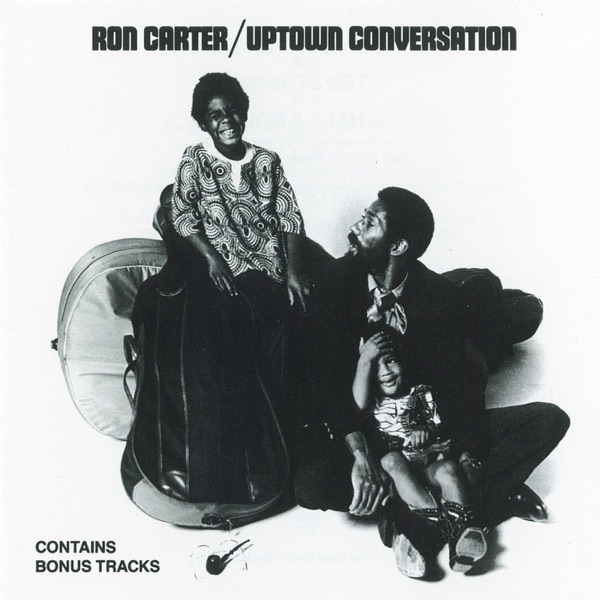
Uptown Conversation 1969
Ron Carter
plays double bass here
plays double bass here

Sounds! 1966
Shelly Manne
plays drums (drum set) here
plays drums (drum set) here


