
Nat Adderley at His Peak, Two Approaches
Adderley's cornet cuts through orchestral arrangements and small-group swing with equal clarity and conviction.
By 1966, Nat Adderley had already established himself as a reliable voice in hard bop and soul-jazz, but Sayin' Somethin' caught reviewers' attention as something worth tracking down. AllMusic reviewer Scott Yanow noted that Adderley was at the peak of his powers during this stretch, and the Penguin Guide to Jazz praised how his approach stayed current with the times—a meaningful endorsement given the shifting landscape of mid-sixties jazz.
The album splits its focus between two distinct settings. Four tracks feature Adderley fronting an 11-piece orchestra, a setup that gives his cornet plenty of space to float above arranged harmonies and section work. The other four catch his Quintet in full swing with Joe Henderson on tenor saxophone, Herbie Hancock on piano, Bob Cranshaw on bass, and Roy McCurdy on drums. This smaller group plays with the kind of locked-in fluidity that made soul-jazz and hard bop function: responsive, bluesy, never overcooked. The contrast matters. Where the orchestral tracks let Adderley's melodic sensibility shine without distraction, the Quintet sides show him as part of a machine, trading ideas and playing off Henderson's sharper edges and Hancock's harmonic awareness.
Neither side outshines the other. The orchestral arrangements don't feel bloated, and the Quintet tracks don't feel like a fallback. What you get is Adderley comfortable in both worlds, which was exactly his strength. Not every album needs to be a turning point. Sometimes it's enough that a musician shows up at his best, works with players who know what they're doing, and makes something solid.
Who's playing
George Duvivierbass
Bob Cranshawbass
Paul Griffinpiano
John Ashburypiano
Herbie Hancockpiano
Al Gorgoniguitar
Billy Suykerguitar
Art Kaplanbaritone saxophone
Seldon Powelltenor saxophone
Joe Hendersontenor saxophone
Nat Adderleytrumpet
Ernie Royaltrumpet
J.J. Johnsontrombone
Herb Lovelledrums
Roy McCurdydrums
George Devenspercussion
Where next?
More by Nat Adderley

The Cannonball Adderley Sextet in New York 1962

The Cannonball Adderley Quintet in San Francisco 1959
♫
At the Lighthouse 1960

Introducing Nat Adderley 1955
The musicians on this record
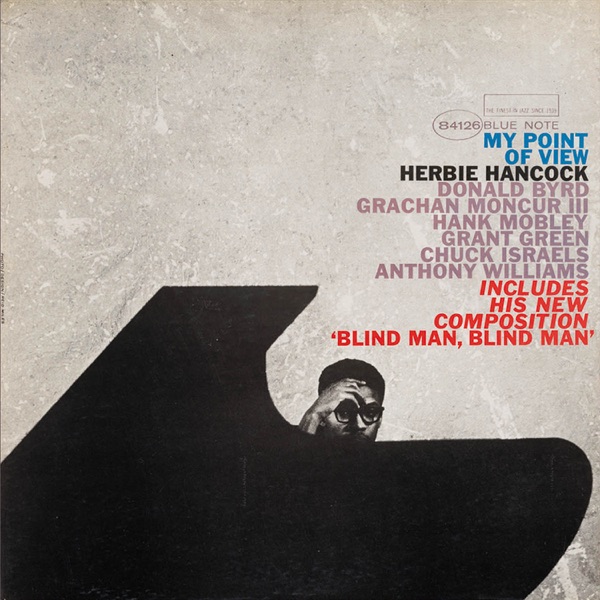
My Point of View 1963
Herbie Hancock
plays piano here
plays piano here
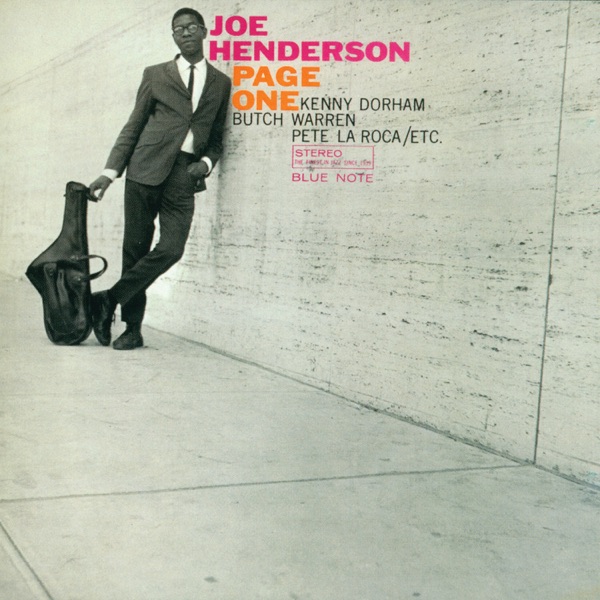
Page One 1963
Joe Henderson
plays tenor saxophone here
plays tenor saxophone here


