Vitouš and Company Find Their Fusion Voice
A bassist leading his own session with three restless improvisers, each pushing the others into unfamiliar territory.
Purple arrived in 1970 with barely a ripple, overshadowed by bigger fusion headlines that year, but it has aged better than most of its contemporaries. Vitouš was still relatively unknown outside jazz circles, and the album's lack of immediate commercial push meant it circulated mainly among musicians and devoted listeners. That obscurity turned out to be a gift — the record never had to compete with its own hype, never calcified into a canonical statement. Hearing it now, you notice how alive it still sounds, how restless.
The core group — Joe Zawinul on electric piano, John McLaughlin on guitar, Billy Cobham on drums, with Vitouš anchoring everything on bass — worked in a territory that fusion was still learning to navigate. There's no fusion bombast here, no solos designed to overwhelm. Instead, these four musicians seem genuinely uncertain where the music will go, which keeps the whole album tense and engaged. McLaughlin sounds like he's still discovering what an electric guitar can do in this context. Cobham's drumming crackles with possibility rather than authority. Zawinul's keyboards don't decorate — they argue. Vitouš keeps everything grounded, leading from underneath rather than on top.
The session never settled into a house style. Each track feels like a different temperature, a different conversation. This is what made it less marketable then and what makes it worth seeking out now — it's the sound of four accomplished players with no predetermined answers, working it out in real time. Not every album needs to reshape jazz history. Some are just honest documents of musicians thinking aloud.
Who's playing
Where next?
More by Miroslav Vitous
All 29 albums →


The musicians on this record
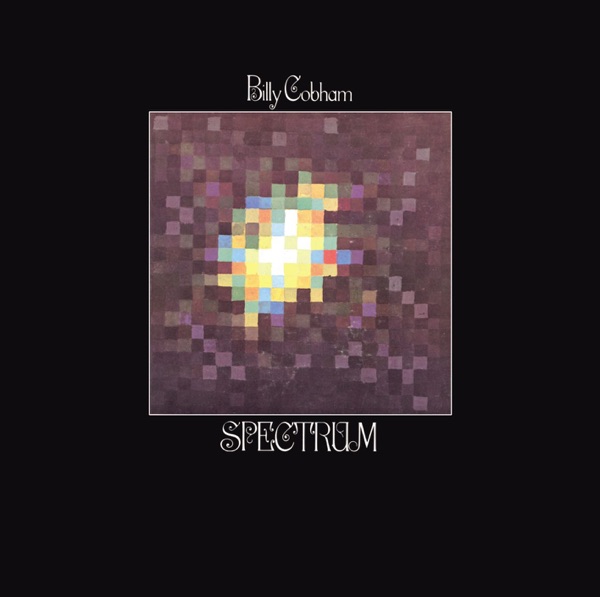
Spectrum 1973
Billy Cobham
plays drums (drum set) here
plays drums (drum set) here

Zawinul 1971
Joe Zawinul
plays electric piano here
plays electric piano here

My Goal’s Beyond 1971
John McLaughlin
plays guitar here
plays guitar here


