1959 · Album
Prestige Profiles Eric Dolphy
Recorded 1959 · Prestige Records · Produced by Bob Weinstock
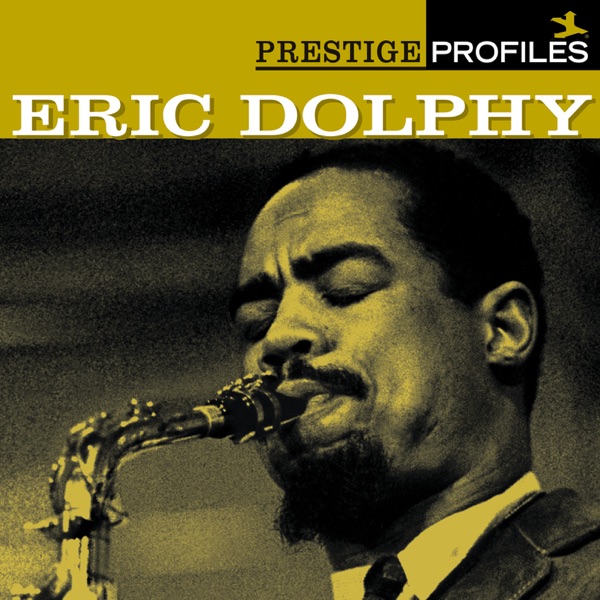
Dolphy's Sharp Edge in Prestige's Studio
Dolphy cuts through with alto sax that has real bite, never settling into comfort.
The first thing you hear is how dry and immediate this sounds—no reverb softening anything, just musicians in a room with microphones close enough to catch the breath between phrases. Eric Dolphy's alto saxophone has a sharp, almost abrasive quality here, nothing pretty about it. The tempos vary from track to track, some swinging hard, others tense and probing. The rhythm section—whether Ron Carter or Joe Benjamin on bass, Jaki Byard or Mal Waldrol at the piano, and Roy Haynes on drums—locks in tightly, but there's always this sense of slight unease, like the band is listening for Dolphy's next move rather than coasting on muscle memory.
This is early-career Dolphy, recorded for Prestige during a period when he was still finding his voice on record. He plays with intelligence and edge, never flashy but always purposeful. The alto here isn't warm or breathy—it's got corners and angles. His harmonic thinking was already advanced; he moves through changes with curiosity rather than reverence. The supporting players respond with real attentiveness; this isn't background music. Everyone sounds present and engaged.
If you're new to Dolphy, this isn't the smoothest entry point. Try something like Out There (1960) first if you want his sound in a more expansive setting. But if you already know why he matters, Prestige Profiles Eric Dolphy shows him at a specific moment—still hungry, still figuring out who he wanted to be as a bandleader and soloist.
Who's playing
Ron Carterdouble bass
Joe Benjamindouble bass
Jaki Byardpiano
Mal Waldronpiano
Eric Dolphyalto saxophone
Booker Ervintenor saxophone
Booker Littletrumpet
Roy Haynesdrums
Charlie Persipdrums
Where next?
More by Eric Dolphy
All 12 albums →


The musicians on this record

At the Five Spot, Volume 1 1961
Booker Little
plays trumpet here
plays trumpet here

Where? 1961
Ron Carter
plays double bass here
plays double bass here

Just Us 1960
Roy Haynes
plays drums (drum set) here
plays drums (drum set) here

The Book Cooks 1960
Booker Ervin
plays tenor saxophone here
plays tenor saxophone here


