1961 · Album
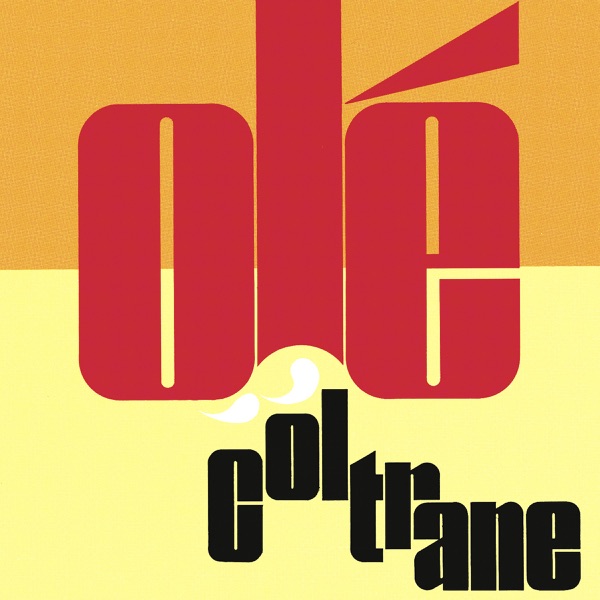
Olé Coltrane
Recorded 1961 at A&R Studios, New York · Atlantic Records · Released: November 1961
Rhythm Patterns That Chart New Ground
Coltrane was charting his own course through complicated rhythms and diverse sonic textures.
Olé Coltrane arrives as something deliberately restless. The album doesn't sit comfortably in any single pocket — the rhythm patterns are complicated, the sonic textures shift and surprise, and there's a sense throughout that Coltrane is refusing to repeat himself. This was the last Atlantic album he supervised personally, and you can hear someone still working things out, still pushing against what he'd already done.
The physical reality of these recordings is dense. The textures accumulate — not in a cluttered way, but in the way a painter might layer colors to create depth. Recording engineer Phil Ramone later said the sessions taught him how to compress a musical idea without losing its heart, and that speaks to what's happening here: there's compression and intention in every moment. AllMusic reviewer Lindsay Planer heard it as evidence of Coltrane's maverick instinct operating at full strength, and that's fair — this isn't a refinement of an established approach so much as a deliberate detour.
If you know Coltrane's work from the same era, this sits apart. It's not the place to start if you're new to him — try A Love Supreme or Giant Steps first. But if you've spent time with those records and want to hear him in a stranger, more experimental headspace, this shows a musician actively resisting his own patterns. That restlessness is audible.
Who's playing
Art Davisdouble bass
Reggie Workmandouble bass
McCoy Tynerpiano
John Coltranetenor saxophone
Eric Dolphyalto saxophone
Freddie Hubbardtrumpet
Elvin Jonesdrums
Where next?
More by John Coltrane
All 19 albums →


The musicians on this record

Nights of Ballads & Blues 1963
McCoy Tyner
plays piano here
plays piano here

Out to Lunch 1964
Eric Dolphy
plays alto saxophone here
plays alto saxophone here

Open Sesame (The Rudy Van Gelder Edition) 1960
Freddie Hubbard
plays trumpet here
plays trumpet here
Puttin' It Together 1959
Elvin Jones
plays drums (drum set) here
plays drums (drum set) here