Two Saxophones, One Vision in 1973
McLean and Bartz together create something spare and direct, letting silence do as much work as the horns.
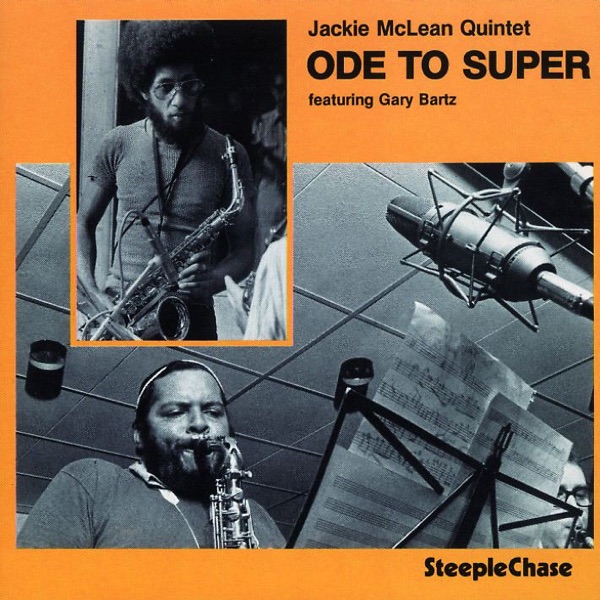
Ode to Super finds Jackie McLean in a working partnership with Gary Bartz, two tenor saxophonists who'd crossed paths enough to trust each other in the studio. This wasn't McLean's first time sharing frontline duties, but there's something specific about having another horn player at equal footing — no piano, no guitar, just the two of them and rhythm section. You get what amounts to a conversation between two strong voices, and they're not trying to blend into harmony so much as push against each other and find space.
Recorded in 1973, this sits in McLean's middle period, after his earlier hard-bop days but before he'd settle into the elder-statesman role he'd occupy later. He was fifty years old and still hungry. The SteepleChase label, run by Nils Winther, had become a haven for players who needed a place to document their current sound without the pressure of a major label's expectations. That freedom matters here. There's no sense McLean is trying to prove anything to anyone. He's just playing, and Bartz meets him there. The album doesn't announce itself. There are no conceptual gimmicks, no oversized arrangements. It's direct in a way that can feel almost invisible if you're not paying attention, which means it rewards close listening.
If you know McLean's work from the 1960s, this isn't the place to start — those records have more urgency and sharper edges. But if you've spent time with him and want to hear how his tone and phrasing had deepened, Ode to Super shows a player comfortable in his own skin. It's solid, honest work from two saxophonists who understood what they were doing. That's enough.
Who's playing
Bo Stiefbass
Thomas Clausenpiano
Gary Bartzalto saxophone
Jackie McLeanalto saxophone
Alex Rieldrums
Jackie McLean Quintetperformer
Where next?
More by Jackie McLean
All 46 albums →


The musicians on this record
Their own records, close in time