1961 · Album
My Favorite Things
Recorded 1960 · Atlantic Records · Produced by Nesuhi Ertegun

The Sound of Wonder and Longing
Coltrane takes a pop standard and makes it sound like he's discovering music for the first time.
When John Coltrane recorded My Favorite Things (1960), he was already known for his hard-hitting, sheet-metal tone and his willingness to push bebop into stranger territory. But this album catches him doing something unexpected: playing the soprano saxophone, an instrument he'd only recently picked up, and working through songs that most jazz musicians would consider too simple or too pretty. The title track is Rodgers and Hammerstein, for God's sake. Yet somehow Coltrane found more in that melody than anyone had reason to expect. His soprano wails and soars over the rhythm section, and what could have been a novelty record becomes genuinely moving—not because the song is transformed into something unrecognizable, but because his curiosity about it is so genuine and intense.
The album's a mixed bag if you're being honest. Some tracks are genuinely special—the title tune, "Summertime," the waltz "Inch Allah"—where you can hear Coltrane investigating the spaces inside familiar material. Other pieces feel a bit looser, more like experiments that didn't quite land. "The Blessing" is repetitive in ways that test patience. But even the rougher moments have something to teach you about how seriously he took these melodies. He wasn't slumming by playing pop standards; he was genuinely curious about melody itself.
This isn't his peak work, and it's not the album to start with if you're new to Coltrane. Go to A Love Supreme (1964) or Giant Steps (1960) first. But My Favorite Things matters because it shows him at a restless moment, unwilling to repeat himself, open to gentleness and wonder. It became one of his best-loved records, which says something about what listeners actually want from music—not always difficulty, but honesty.
Who's playing
Where next?
More by John Coltrane
All 19 albums →


The musicians on this record

Nights of Ballads & Blues 1963
McCoy Tyner
plays piano here
plays piano here
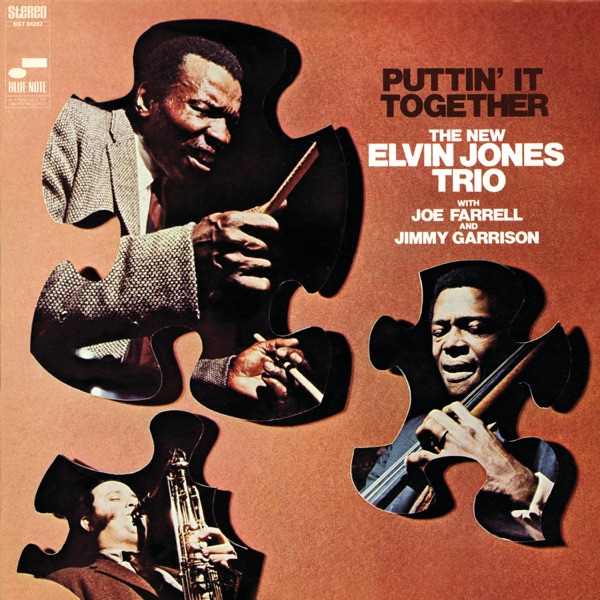
Puttin' It Together 1959
Elvin Jones
plays drums (drum set) here
plays drums (drum set) here