1999 · Album
Live at the Village Vanguard
Recorded 1990s, Village Vanguard, New York City · Columbia Records · Produced by Delfeayo Marsalis
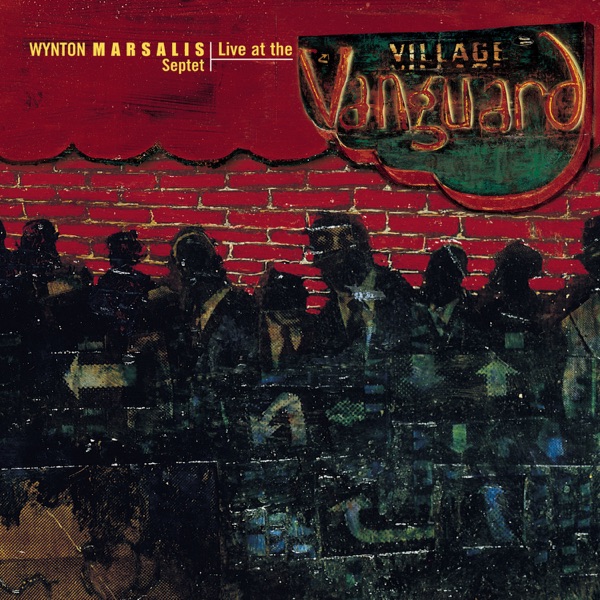
Seven Voices, One Night, No Nets
Marsalis and his septet play like they have something to prove — and they do.
By the early 1990s, Wynton Marsalis had already reshaped how a lot of people thought about jazz — the neoclassical stance, the Lincoln Center platform, the arguments about tradition. Live at the Village Vanguard (1999) is where you can hear what all of that looks like when the lights go down and the band actually plays. Recorded over multiple nights at the Vanguard, this is a working septet in its element, and the size of the group matters: seven players gives Marsalis room to write real arrangements, to build counterpoint, to let soloists step forward and recede inside something larger than a quartet blowing changes.
The repertoire leans hard into the African American musical tradition Marsalis has always championed — blues structures, New Orleans rhythmic feeling, bebop vocabulary — but the playing is not reverent in a stiff way. The band swings with genuine force. Wycliffe Gordon's trombone work is a highlight throughout, earthy and quick, and he and Marsalis push each other in ways that feel competitive in the best sense. The rhythm section holds the whole thing together without calling attention to itself, which is exactly right for this kind of music.
Where this recording earns its place in his catalog is in the evidence it gives of Marsalis as a bandleader rather than a soloist. His trumpet playing here is controlled and warm — he is not grandstanding. He is serving the ensemble. If you have heard his earlier quartet records and found them occasionally cool in temperature, this set has more body to it. It is a strong live document of a band that knew what it was doing and did it well. Not every track lands equally, but the best moments here are genuinely exciting.
Who's playing
Ben Wolfebass
Reginald Vealbass
Eric Reedpiano
Marcus Robertspiano
Wessell Andersonalto saxophone
Wynton Marsalistrumpet
Wycliffe Gordontrombone
Herlin Rileydrums
Victor Goinesclarinet
Todd Williamsclarinet
Where next?
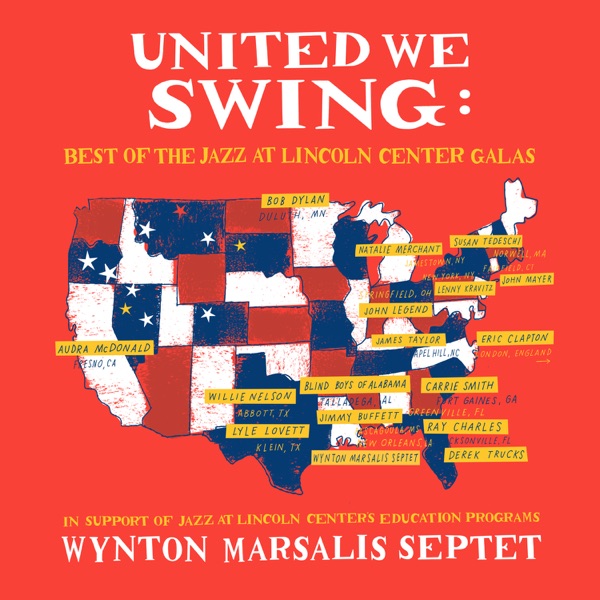
The musicians on this record
Standard Time, Volume 5: The Midnight Blues 1998
Wynton Marsalis
plays trumpet here
plays trumpet here
Blues for the New Millennium 1997
Marcus Roberts
plays piano here
plays piano here

In the Cross 2004
Wycliffe Gordon
plays trombone here
plays trombone here



