1990 · Album
The Marciac Suite
Recorded Jazz in Marciac festival (live performances) · Released: 2000 · Ensemble: Wynton Marsalis Septet
A Septet in the French Countryside
Marsalis brought his working group to Marciac and captured something loose, alive, and unguarded.
By 2000, Wynton Marsalis had already spent years establishing himself as a bandleader, composer, and ambassador for jazz tradition. The Marciac Suite arrived at a moment when he was confident enough to step away from the studio formality that had defined much of his output and record live, in the field, for a specific festival. The album was born from his Septet's performances at the annual Jazz in Marciac festival in France, and that context matters—these are working musicians playing in real time, not overdubbed perfection.
What makes this record different from his studio albums is exactly that casualness. The Septet swings with the kind of ease that only comes from repeated playing together, and the material has room to breathe. This isn't a departure from what Marsalis does, but it feels like a reprieve from it—a chance to hear the band as colleagues rather than as an orchestra executing his vision. AllMusic gave it four stars, and that rating captures something true: the album works because it doesn't strain to be important.
The Marciac Suite sits somewhere between the main body of Marsalis's work and the margins. It's not a peak, not a turning point, and not where new listeners should start. But it's solid enough that anyone who knows his music will find it worthwhile, and it offers a different angle on the septet format—something more relaxed, more social. It originally appeared as a bonus disc included with the Swinging into the 21st series, which tells you something about how Marsalis positioned it: good music, but secondary to his larger project of the time.
Who's playing
Rodney Whitakerbass
Farid Barronpiano
Cyrus Chestnutpiano
Eric Lewispiano
Wessell Andersonalto saxophone
Wynton Marsalistrumpet
Wycliffe Gordontrombone
Herlin Rileydrums
Roland Guerreropercussion
Where next?
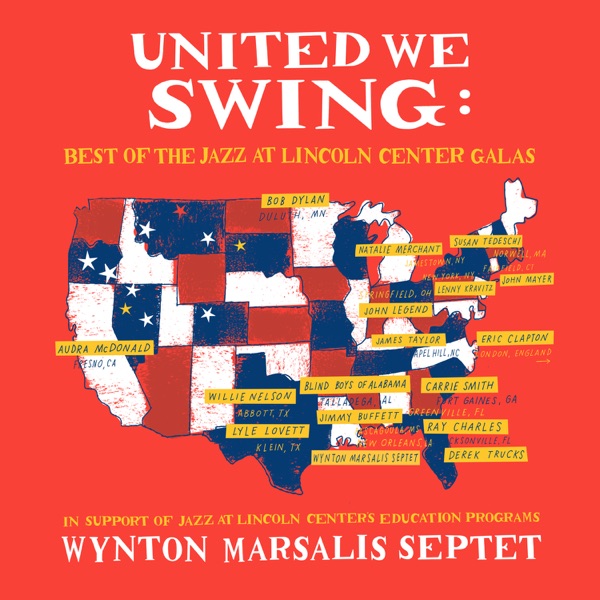
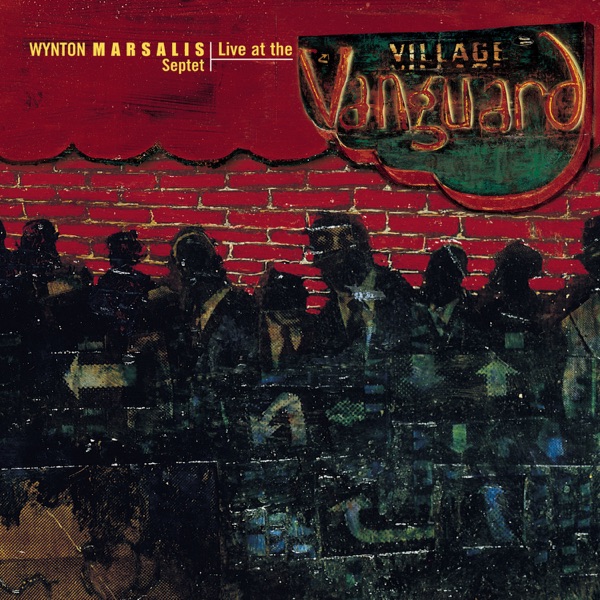
The musicians on this record
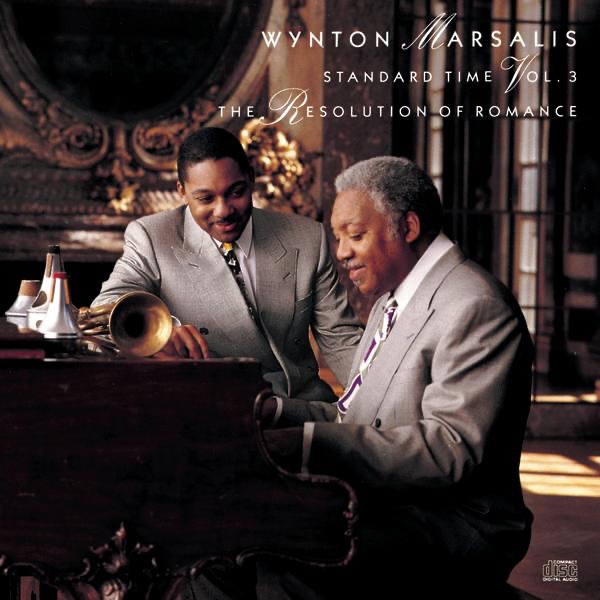
Standard Time Vol. 3: The Resolution Of Romance 1990
Wynton Marsalis
plays trumpet here
plays trumpet here

In the Cross 2004
Wycliffe Gordon
plays trombone here
plays trombone here



