1988 · Album
Guardian Angels
Recorded 1988 · Atlantic · Produced by Miroslav Vitouš, George Ohtsuke

Scofield's Guitar and Vitouš's Shadows
Vitouš lets the soloists breathe while keeping everything tethered to something deeper.
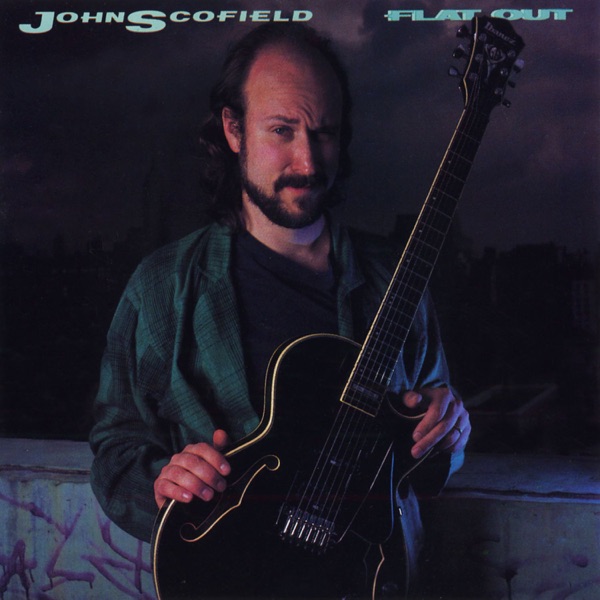
What makes Guardian Angels work is John Scofield. The guitarist arrives here in his prime—restless, conversational, able to play melody and abstraction in the same breath—and Vitouš builds the album around him. This is not a bandleader's vanity project. Vitouš stays in the pocket, laying down lines that feel like questions rather than declarations, which gives Scofield room to answer in whatever direction the tune wants to go. On the faster pieces, Scofield's tone cuts without sharpness; on the ballads, he's searching, even fragile. Kenny Kirkland on piano is equally generous—he comps with care, never overshadowing, never retreating either. What emerges is a mature, understated session where ego gets checked at the door.
Vitouš's bass playing here reflects his Weather Report years but without that fusion polish or the need to demonstrate technique for its own sake. He listens. 山口真文 on soprano saxophone floats in and out, adding texture rather than weight. The rhythm section with George Ohtsuke on drums is lean and flexible—they bend tempos slightly, they leave air in the music. It's the opposite of locked-in. The tunes themselves are not obvious vehicles; they breathe like standards but resist easy analysis.
Guardian Angels landed at a moment when fusion had calcified and straight-ahead jazz felt reactionary to some ears. Vitouš instead carved out a middle path: energetic but patient, composed but responsive. This album matters because it proved an older musician could still assemble something that felt alive without chasing trends or replaying past glories.
Who's playing
Where next?
More by Miroslav Vitous
All 29 albums →


The musicians on this record
Their own records, close in time