1972 · Album
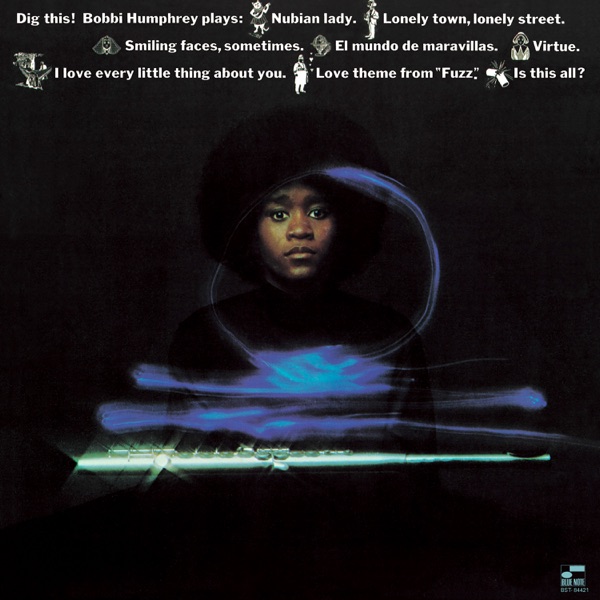
Flute-In
Recorded 1971 · Blue Note · Produced by Not specified in verified sources

A Flautist Arrives With Power and Grace
Bobbi Humphrey announces herself as a force, swinging hard and playing with real command.
The flute doesn't announce itself the way a horn does. It arrives liquid and direct, and on Flute-In (1971), it arrives confident. Humphrey's tone is warm but muscular—she's not interested in breathy prettiness or avant-garde abstraction. What you hear instead is a player comfortable in a straightforward groove, supported by a rhythm section that locks in tight and lets her work. The tempos are moderate, the mood is serious, and there's no wasted motion anywhere.
This is Humphrey's debut, and she wastes no time proving she belongs. Andrew Hamilton of AllMusic noted that "Bobbi displays dexterity and power throughout her coming out, mainstream LP," and that assessment nails it. She's not a novelty—a woman playing jazz flute in 1971 was still uncommon enough to merit notice, but what matters here is the playing itself. She swings. She has ideas. She doesn't overcomplicate things, and she doesn't apologize for choosing a swinging mainstream sound when fusion and free jazz were both claiming to be the future.
Flute-In (1971) is exactly where to start with Humphrey. It's clear, it's energetic, and it proves the case for the flute as a serious jazz voice. You don't need to come prepared or work up to it. Just listen.
Who's playing
George Duvivierbass
Gordon Edwardsbass
Hank Jonespiano
Frank Owenspiano
Gene Bertonciniguitar
Billy Harpertenor saxophone
Lee Morgantrumpet
Bobbi Humphreyflute
Idris Muhammaddrums
Jimmy Johnsondrums
George Devenspercussion
Ray Armandocongas
Where next?



The musicians on this record

Sixth Sense 1969
Lee Morgan
plays trumpet here
plays trumpet here

Power of Soul 1974
Idris Muhammad
plays drums (drum set) here
plays drums (drum set) here
Carnaval 1983
Hank Jones
plays piano here
plays piano here


