1956 · Album
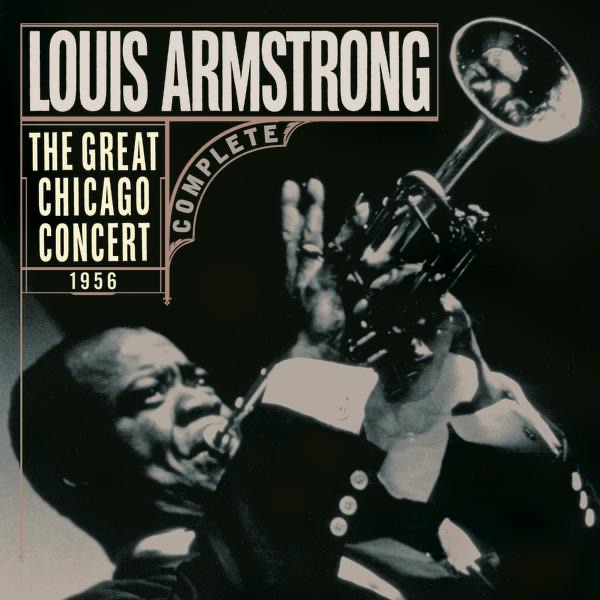
Chicago Concert - 1956
Recorded 1956 · Unable to verify with certainty · Produced by Unable to verify with certainty
Armstrong in his Element, Live from Chicago
By 1956, Armstrong knew exactly who he was and played accordingly.
By 1956, Louis Armstrong was in his mid-fifties and had been performing professionally for more than three decades. This live recording captures him at a point where he'd stopped proving anything to anyone. He knew his gifts, knew his limitations, and played with the confidence of someone who'd already changed American music and wasn't worried about doing it again.
What makes a live Armstrong recording from this era worth hearing is simple: you get the full package. The trumpet work is there—that tone that somehow manages to be both rough and beautiful, capable of making a phrase sound like it's never been played before even when it has been a thousand times. But Armstrong was always more than a technician. His voice takes up real estate here, and his scat singing and talking between songs show why he mattered beyond the instrument. The rhythm section locks in the way live groups do when they've played together long enough to anticipate each other. There's no studio polish, no second takes, just the moment itself.
If you're coming to Armstrong for the first time, start elsewhere—West End Blues (1928) or Hot Fives recordings show you the invention that made him essential. But if you already know Armstrong and want to hear him in a room full of people, loose and in his element, this is exactly what it sounds like. He's not reinventing anything here. He's just doing the thing he'd mastered long ago, and doing it well enough that you understand why people kept showing up.
Who's playing
Dale Jonesbass
Billy Kylepiano
Louis Armstrongtrumpet
Trummy Youngtrombone
Barrett Deemsdrums
Edmond Hallclarinet