1970 · Album
Louis Armstrong and His Friends
Recorded May 1970 · Flying Dutchman (Amsterdam subsidiary) · Significance: Next-to-last studio session; Armstrong did not play trumpet due to poor health

When the Trumpet Falls Silent
Armstrong sang his way through a session that proved his voice could carry what his trumpet could not.
By May 1970, Louis Armstrong's body was failing him. He couldn't play trumpet anymore — a fact that would have ended most jazz careers on the spot. But he showed up anyway, because he was a singer too, and singers don't need the same wind that trumpeters do. This album exists in that gap between what Armstrong had been and what he still was.
He gets his points across anyway. AllMusic reviewer Alex Henderson noted that Armstrong "was still able to sing" and that he "gets his points across," which is about the most honest thing you can say about a late-career session like this one. The album leans into early-1970s production — contemporary sounds, nothing retro — and for the most part it works. This isn't essential Armstrong. It's not where you start. But if you've spent time with the foundational records, the Hot Five sides, the great ballad sessions, there's something worth hearing here: a musician refusing to sit still, adapting to what was possible rather than mourning what was lost.
Recorded in May 1970, this turned out to be his next-to-last studio session. Armstrong died less than a year later. The album matters less as a statement of artistic vision than as a document of persistence — a man making music on terms his body would allow. That's not the same as making a masterpiece, but it's not nothing either.
Who's playing
Chuck Raineyelectric bass guitar
Richard Davisdouble bass
George Duvivierdouble bass
John B Williamselectric bass guitar
Frank Owenspiano
Sam Brownguitar
Kenny Burrellguitar
Robert Ashtonsaxophone
Danny Banksaxophone
Ray Beckensteinsaxophone
Jerry Dodgionsaxophone
Billy Harpersaxophone
Garnett Browntrombone
Bill Campbelltrombone
Al Greytrombone
Quentin Jacksontrombone
James Spauldingflute
Bernard “Pretty” Purdiedrums
Gene Goldencongas
Thad Jonesflugelhorn
Jimmy Owensflugelhorn
Ernie Royalflugelhorn
Marvin Stammflugelhorn
Julien Barberviola
Arnold Blackviolin
Alfred Brownviola
Selwart Clarkeviolin
Winston Collymoreviolin
Paul Gershmanviolin
Emanuel Greenviolin
Harry Lookofskyviolin
Joe Malinviolin
Charles McCrackencello
Kermit Moorecello
Gene Orloffviolin
Max Pollikoffviolin
George Riccicello
David Schwartzviola
Alan Shulmaninstrument
Emanuel Vardiviola
Where next?
More by Louis Armstrong

Satch Plays Fats: A Tribute to the Immortal Fats Waller 1955

Louis Armstrong Meets Oscar Peterson 1957

Disney Songs the Satchmo Way 1968

Bing & Satchmo 1960
The musicians on this record
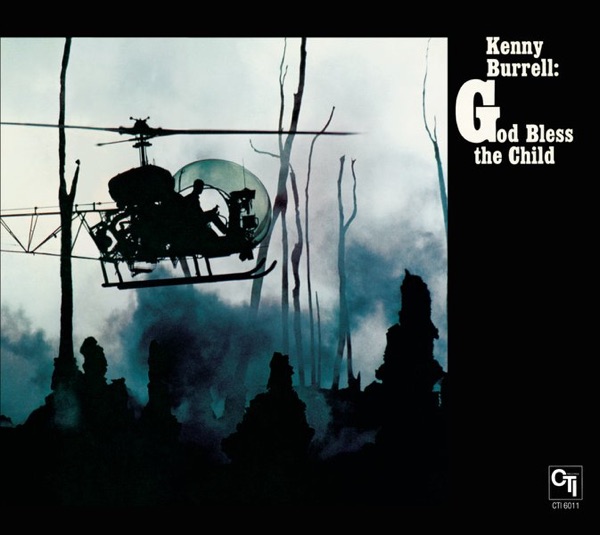
God Bless the Child 1971
Kenny Burrell
plays guitar here
plays guitar here

Chuck Rainey Coalition 1970
Chuck Rainey
plays electric bass guitar here
plays electric bass guitar here


