1960 · Album
Blues in Orbit
Recorded 1959 · Columbia · Produced by Not specified in available sources
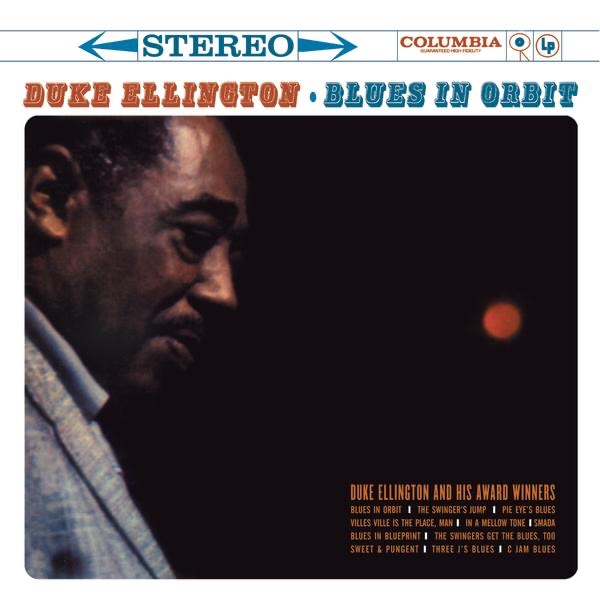
A Late-Night Jam Session with Polish
The band runs through a lighter side of its sound, balancing spontaneity with technical precision.
Blues in Orbit arrived in 1960 without the fanfare that surrounded Ellington's more ambitious concept pieces of the era. It was not a landmark release on arrival, but AllMusic reviewer Bruce Eder recognized something valuable in it: a record that captured something harder to plan for than a suite. The album documents a loose jam session held with full studio polish—the kind of night where a great band stops trying to prove anything and just plays.
That balance between spontaneity and craft is what sets this record apart from Ellington's more deliberate compositions. Duke Ellington assembled his core ensemble—Paul Gonsalves and Johnny Hodges leading the saxophones, Ray Nance on trumpet, the trombone section of Matthew Gee, Booty Wood, and Britt Woodman, with Billy Strayhorn sharing piano duties and Jimmy Woode anchoring the rhythm. The music breathes. There's no strain toward innovation, no manifesto. The tracks move at their own pace, letting individual voices emerge naturally rather than serving larger architectural designs.
This is a middle-period Ellington album worth finding if you want to hear the band relaxed and inventive rather than reaching for something grand. It's not his peak, and it wasn't built to be. But Eder was right: there's real value in catching a great ensemble at a moment when technique and joy lined up with no particular agenda.
Who's playing
Jimmy Woodebass
Duke Ellingtonpiano
Billy Strayhornpiano
Harry Carneybaritone saxophone
Paul Gonsalvestenor saxophone
Jimmy Hamiltontenor saxophone
Johnny Hodgesalto saxophone
Russell Procopealto saxophone, clarinet
Ray Nancetrumpet
Matthew Geetrombone
Booty Woodtrombone
Britt Woodmantrombone
Jimmy Johnsondrums
Where next?
More by Duke Ellington
All 22 albums →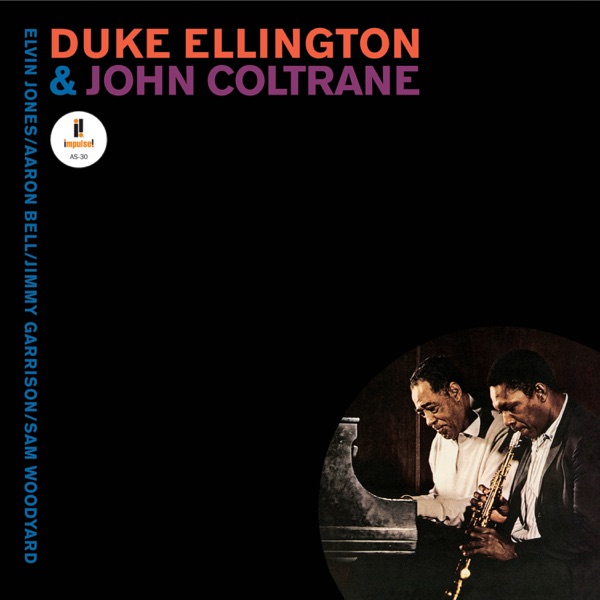


The musicians on this record
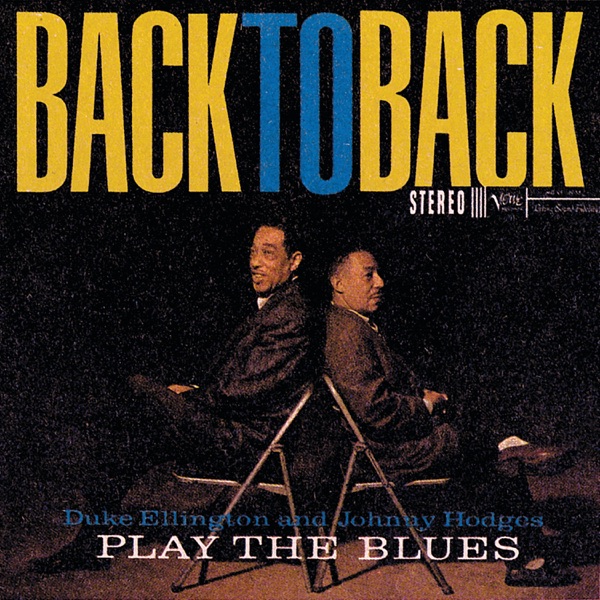
Back to Back: Duke Ellington and Johnny Hodges Play the Blues 1959
Johnny Hodges
plays alto saxophone here
plays alto saxophone here

Gettin' Together! 1961
Paul Gonsalves
plays tenor saxophone here
plays tenor saxophone here
♫
Cue for Saxophone 1959
Billy Strayhorn
plays piano here
plays piano here



