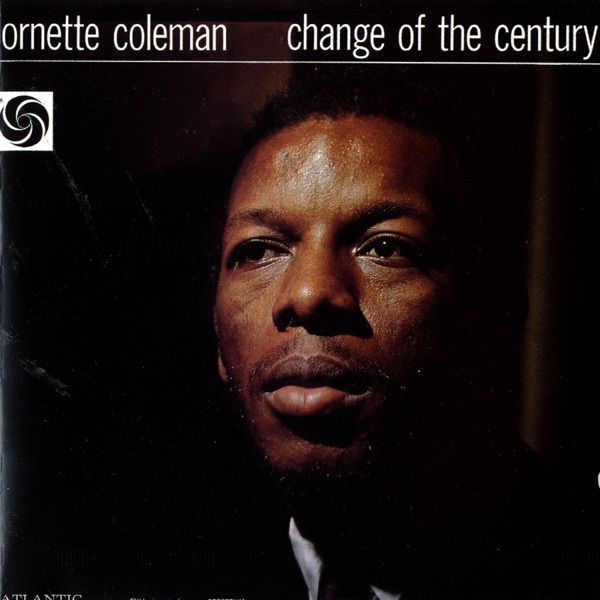
1967 · Album
An Evening With Ornette Coleman
Recorded August 1965, Fairfield Halls, Croydon, London · Polydor International · Produced by Not listed
Freedom Without Apology: A London Evening
Coleman in a transitional period, experimenting with classical forms while proving musical intuition matters more than technique.
On an August night in 1965 at Fairfield Halls in Croydon, Ornette Coleman stepped into a London concert hall carrying alto saxophone, violin, and trumpet—three instruments, three languages, one restless mind. What got recorded that evening, released two years later on Polydor International, catches him between worlds. The first half presents a wind quintet arrangement of Coleman's own work, performed by London's Virtuoso Ensemble, setting a classical frame around his compositions. Then the ensemble steps back and it's just Coleman with bassist David Izenzon and drummer Charles Moffett—the working trio, stripped down, playing live.
This is Coleman doing something he'd been building toward: proving that technique and tradition were obstacles, not requirements. The violin and trumpet appearances here aren't novelties. They're part of a deliberate expansion, a way of saying that any sound worth making was valid if the intention behind it was honest. Izenzon and Moffett match his velocity and his silences. There's no settling into groove or form just because it's comfortable. Every tune stays open, negotiable. The freedom he kept talking about—the kind critics dismissed as formless—sounds here like the opposite: it's shaped by instinct and conversation, not by predetermined rules.
The Rolling Stone Jazz Record Guide gave this a perfect five stars, and AllMusic reviewer Brian Olewnick heard it as a bridge between Coleman's earlier investigations and something still forming. For anyone serious about Coleman, this isn't a peripheral recording. It documents him at a specific moment, arguing his case in real time, with an audience in the room and nowhere to hide.
Who's playing