1957 · Album
All Night Long
Recorded 1956 · Prestige · Original credit: Prestige All Stars, later credited to Kenny Burrell

Young All-Stars, Inspired and Swinging
Burrell surrounded himself with musicians who matched his energy, and everyone sounds like they mean it.
All Night Long catches Kenny Burrell early in his career, leading a session of musicians who feel genuinely excited to be playing together. This isn't a showcase where one name carries the weight — it's the sound of a tight ensemble, everyone locked in, no one coasting. The records Burrell made for Prestige in the mid-1950s have a particular energy: they're brisk, focused, and built on real interplay rather than solo spotlighting. AllMusic reviewer Scott Yanow singled this album and its companion as among Burrell's best work from that decade, noting that the guitarist surrounded himself with young all-stars who sounded inspired throughout.
What makes this session distinctive is the balance. Burrell's guitar sits in the pocket — he's a solid, swinging player without excessive ego — and the other musicians respond in kind. There's no sense of strain or calculation here. The tunes move with purpose. You hear ensemble playing that actually feels like ensemble, not just soloists taking turns. The musicianship is clean and direct, which can sound simple if you're not listening, but it's actually harder to pull off than flashy displays of virtuosity.
If you're exploring Burrell's catalog, this is a smart starting point. It shows what drew people to him: not spectacle, but reliability and taste. The session captured something honest about jazz in that moment — musicians in their twenties and thirties who knew how to swing without overthinking it. This wasn't a one-off either; the fact that he returned to similar settings suggests both he and the label recognized they'd found something that worked.
Who's playing
Doug Watkinsdouble bass
Mal Waldronpiano
Kenny Burrellguitar
Hank Mobleytenor saxophone
Donald Byrdtrumpet
Art Taylordrums
Jerome Richardsonwoodwind
Where next?
More by Kenny Burrell

Introducing Kenny Burrell 1956
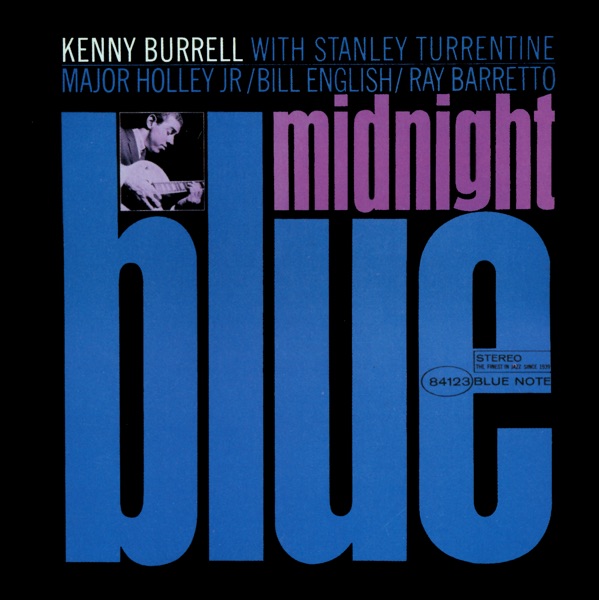
Midnight Blue 1963
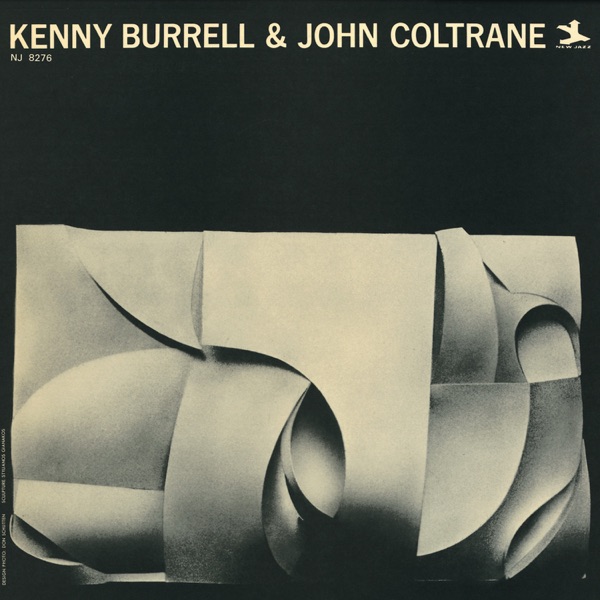
Kenny Burrell & John Coltrane 1963
♫
Jazzmen: Detroit 1956
The musicians on this record

Byrd in Flight 1960
Donald Byrd
plays trumpet here
plays trumpet here

Soul Station 1960
Hank Mobley
plays tenor saxophone here
plays tenor saxophone here

Wheelin’ & Dealin’ 1958
Mal Waldron
plays piano here
plays piano here


