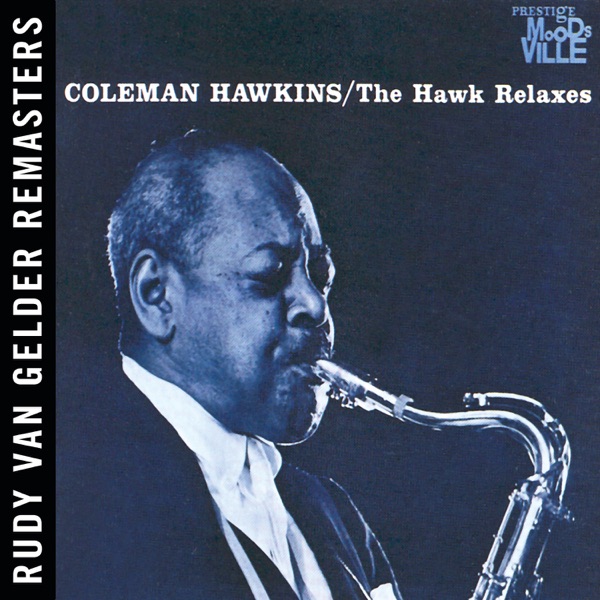
Hawkins in Command, Unhurried and Sure
A straightforward showcase of Hawkins doing what he'd perfected over decades: playing tenor saxophone with authority and taste.
By 1955, Coleman Hawkins had already spent three decades defining what the tenor saxophone could do in jazz. Accent on Tenor Sax (1955) arrived without fanfare — a session for a small independent label, recorded when Hawkins was in his early fifties. There was no need for marketing or critical buildup. Hawkins didn't chase trends or reinvent himself for each record. He showed up, played beautifully, and moved on. That straightforwardness is exactly what you get here: a saxophonist in complete command of his instrument, his tone warm and full, his phrasing deliberate. The album is unpretentious — no gimmicks, no attempts to sound young or modern. Just Hawkins being Hawkins.
This wasn't a breakthrough or a departure. By this point in his career, Hawkins had already made his mark decades earlier; what remained was consistency and craft. Accent on Tenor Sax (1955) falls into that category of solid, professional work that didn't need to prove anything to anyone. It served listeners who already knew his value and gave them exactly what they expected: skillful playing from an artist who had earned the right to coast but chose not to. The album didn't spark controversies or redefine genres. It simply existed as evidence that Hawkins was still here, still capable, still worth hearing.
The record has remained in a particular zone: respected by Hawkins devotees and jazz historians, but not the place most listeners start with his work. Collectors and musicians recognize its worth, but it hasn't accumulated the cultural weight of his earlier recordings. It's the kind of album that rewards you if you already care about Hawkins' later career, but it doesn't make a case for itself to newcomers the way his Blue Note sessions do.
Who's playing
Wendell Marshalldouble bass
Joe "Earl" Knightpiano
Sidney Grossguitar
Coleman Hawkinstenor saxophone
Ernie Royaltrumpet
Eddie Berttrombone
Osie Johnsondrums