The Fiddle That Swung Hardest
Most people who think of jazz violin think of something polite — Stephane Grappelli gliding over a tune, elegant and light. Stuff Smith is the other guy. He came up through the Midwest, landed in New York in the 1930s, and started leading a band at the Onyx Club on 52nd Street that played jazz like it was a contact sport. He amplified his violin before most guitarists thought to, and he used that extra volume to bend notes, growl, and dig into the beat with a rhythmic snap that came straight out of the blues.
His Onyx Club band with Jonah Jones on trumpet cut some of the liveliest small-group swing records of the era, including the novelty hit I'se a Muggin' (1936), which shows off his sense of humor as much as his chops. Smith never treated the violin as a delicate instrument. He dug into the strings with a rough attack, slid into pitches, and phrased more like a horn player than a classical string man. If you've only heard sweet, legato jazz violin, Stuff Smith will sound like a different instrument entirely.
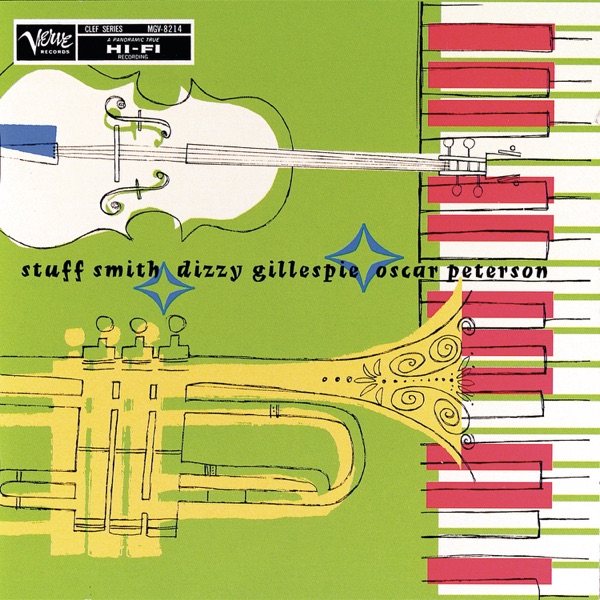
What's easy to miss is how far his rhythmic instincts carried into later eras. He recorded with Dizzy Gillespie on Dizzy Gillespie and Stuff Smith (1957), holding his own next to bebop phrasing without losing his own personality, and he cut the excellent Have Violin, Will Swing (1957) as a leader, proof that his style aged well past the swing era it came from. He wasn't chasing bebop's vocabulary so much as showing that his own way of playing — aggressive, vocal, a little rough around the edges — could sit comfortably next to it.
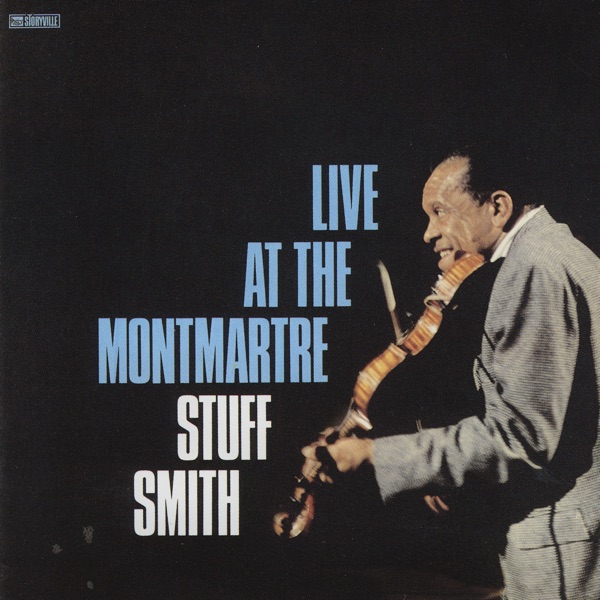
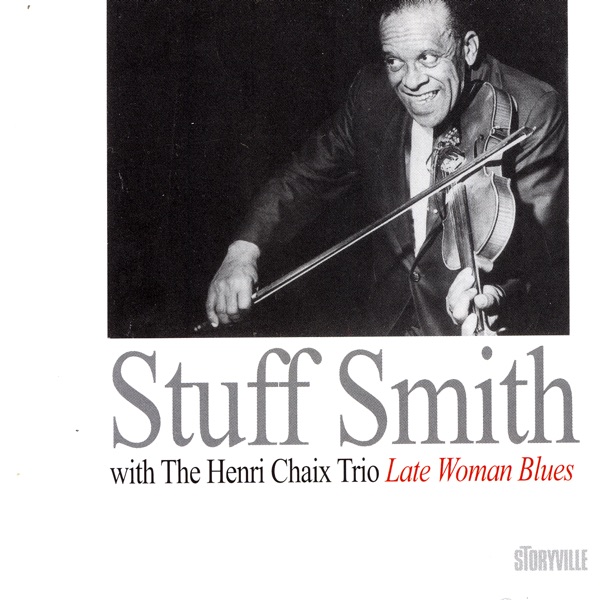
Smith spent his later years touring Europe, where audiences and fellow musicians treated him with more reverence than he often got at home, and he died in Munich in 1967 still working. He's not a household name the way some of his contemporaries are, and that's a shame, because almost every jazz violinist who came after him owes something to the way he proved the instrument could be loud, funny, and fierce all at once. Put on one of his Onyx Club sides next to a Grappelli record and you'll hear two completely different ideas of what a violin can do in a jazz band — and Smith's idea is the one that still sounds like it's picking a fight.