The DJ Who Built a Band
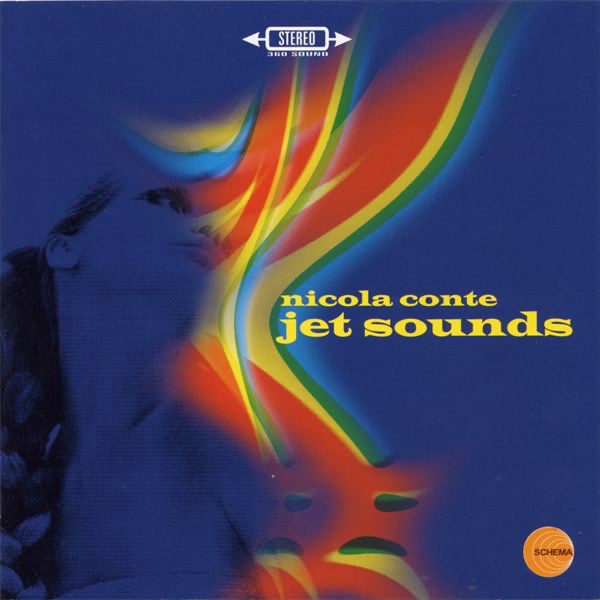
Nicola Conte started out spinning records in Italian clubs in the 1990s, and you can hear that DJ instinct in everything he's made since. He doesn't write jazz tunes so much as assemble them — a bossa nova guitar figure here, a modal horn line there, a vocalist floating over the top like she wandered in from a 1960s Verve session. His 2000 album Jet Sounds (2000) basically kicked off the whole lounge-jazz revival of that era, landing in record shops next to reissues of Bola Sete and Walter Wanderley because it sounded like it belonged there.
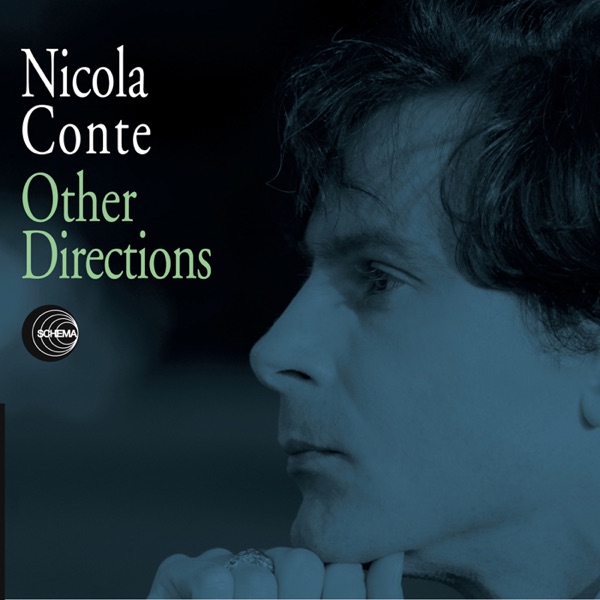
What separates Conte from the compilation-DJ-turned-producer crowd is that he actually assembled real bands and real horn charts, not just loops. On records like Other Directions (2004) and Rituals (2008) he leaned into spiritual jazz — think Pharoah Sanders and Yusef Lateef as reference points — with Italian musicians like Fabrizio Bosso on trumpet giving the whole thing weight instead of letting it stay a retro pastiche. The grooves are tight, the arrangements are lush, and there's always a vocalist somewhere in the mix carrying a melody that sounds like it's been waiting fifty years to be sung.
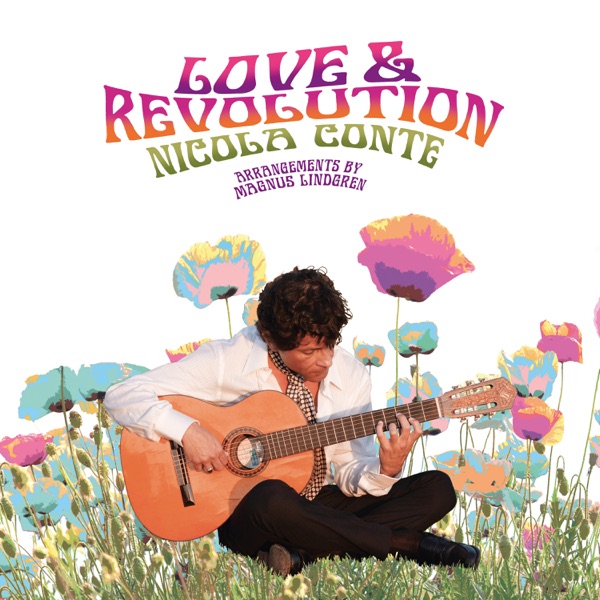
That vocal instinct is a big part of his sound. Conte has worked with a rotating cast of singers over the years — Alice Ricciardi has been a frequent partner, and he even got Gregory Porter to guest on Love & Revolution (2012), which tells you he was taken seriously enough by that point to pull in a Grammy-winning voice for a hired verse. His records are built around the idea that jazz can be danceable and romantic and political all at once, without picking a lane.
Is he reinventing jazz? No. He's doing something narrower and genuinely useful: keeping a specific strand of 1960s and 70s jazz — the cinematic, socially conscious, groove-heavy strand — alive for people who'd otherwise only hear it in sampled form on a hip-hop record. If you love the Blue Note spiritual jazz catalog, or Brazilian bossa nova from the Elenco label days, Conte's music is the place where those two worlds get introduced to each other and shake hands.
He's not for purists who want their jazz unvarnished and improvised to the bone — there's too much production polish for that crowd. But as an entry point for a listener who fell for jazz through a sample on a DJ Premier beat or a Brazilian record their parents played, Conte is a smart, well-made bridge. He clearly knows the history cold, and he uses that knowledge to build something that sounds warm and familiar rather than academic.